





BLOG
Durable High Power Waveguide Circulators for Harsh Environments
May 18, 2026
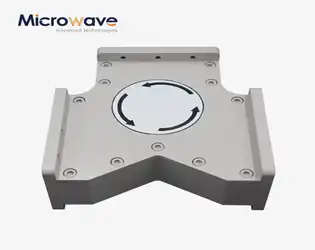
When mission-critical systems work in harsh environments like high-vibration zones, extreme temperatures, or atmospheres that corrode metal, component stability is a must. In these situations, an overlooked hero is a high power waveguide circulator, which precisely routes RF energy and keeps sensitive emitters safe from harmful reflections. The signals are sent in a certain order through the ports of these non-reciprocal ferrite devices. The mirrored power is then sent to fake loads instead of back to weak sources like klystrons or solid-state amplifiers. Rugged circulators are designed to handle kilowatt to megawatt power levels. They keep radar grids, satellite ground stations, and industrial heating systems from failing, which would mean lost productivity and safety risks.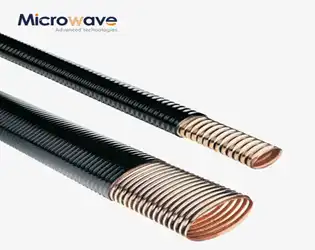
Elliptical Waveguide Installation Best Practices
May 15, 2026
Installing an elliptical waveguide correctly is the cornerstone of achieving optimal signal transmission in mission-critical RF and microwave systems. These specialized transmission lines, characterized by their corrugated elliptical cross-section, combine the low-loss performance of traditional rigid waveguides with the mechanical flexibility needed for complex routing scenarios. At Advanced Microwave Technologies Co., Ltd, we've observed that proper installation directly impacts return loss, VSWR performance, and long-term system reliability. Our elliptical waveguides feature corrugated copper tubes with UV-resistant black polyethylene jackets, designed to endure harsh environmental conditions while maintaining signal integrity across frequencies up to 110 GHz.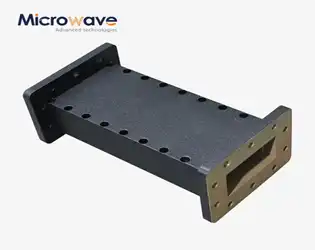
The Hidden Power of Waveguide Low Pass Filter: Revealing Their Secrets
May 15, 2026
When very strong radar systems send out a lot of signals at once or when satellite ground stations send uplink signals into space, unseen but very important electromagnetic problems appear. Waveguide Low Pass Filters are like quiet guards in these mission-critical systems. They let the signal frequencies that are wanted pass through smoothly while strongly refusing harmonics and false emissions that could damage the system. The strong passive RF parts use the electromagnetic qualities of waveguide shapes with curved ridges, tapered structures, or waffle-iron designs to provide better power handling and spectral purity. They are very important in defense radar arrays, satellite communications infrastructure, and precision measurement systems, where signal integrity can't be compromised because they stop harmonic distortion from high-power transmitters. This keeps them from breaking the rules and protects sensitive parts further down the line from damaging interference.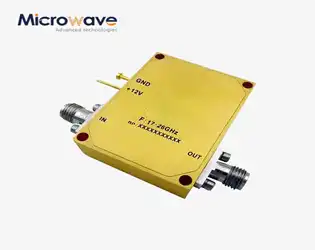
What are the benefits of using a low-phase-noise amplifier?
May 15, 2026
As an example, low-phase-noise amplifiers are a type of RF component that is intended to keep signal integrity and reduce time jitter while amplification is happening. The spectrum clarity of these devices is very high, and their phase noise is usually better than -165 dBc/Hz at a 10 kHz shift. At this level of performance, they are essential for mission-critical uses in satellite communications, radar systems, and high-precision test tools, where the quality of the signal directly affects the success of operations.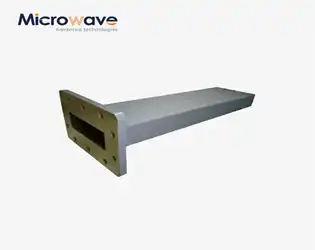
How Waveguide Termination Prevents Signal Reflection
May 14, 2026
Waveguide termination serves as a critical passive component in high-frequency RF systems by absorbing electromagnetic energy traveling through waveguides and converting it to heat with minimal reflection. When signals encounter impedance mismatches at the end of a transmission line, they bounce back toward the source, creating destructive interference patterns and standing waves. A properly designed waveguide termination matches the characteristic impedance of the system—typically 50 ohms for coaxial configurations or specific values for rectangular waveguides—ensuring that incident power is absorbed rather than reflected. This protection mechanism prevents damage to sensitive amplifiers, magnetrons, and klystrons while maintaining signal integrity throughout radar, satellite communication, and industrial microwave heating applications.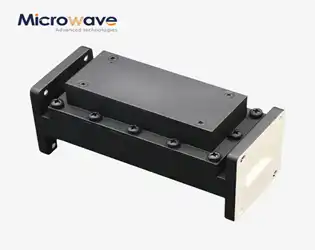
Waveguide Band Stop Filter Benefits in Industrial Systems
May 14, 2026
When it comes to radio frequency (RF) parts, Waveguide Band Stop Filters, which are also known as band reject or notch filters, carefully cut off certain frequency ranges while keeping the signal quality in nearby passbands. These carefully made gadgets solve important problems in places with a lot of power, where controlling interference is key to making sure the system works well. In contrast to traditional coaxial options, they use resonant cavity designs that provide superior quality factors and power handling abilities. Businesses that need to do their jobs very well, like particle accelerators, marine defense platforms, and satellite ground stations, count on these filters to keep the signal clean, stop co-site interference, and lower harmonics even when things get tough.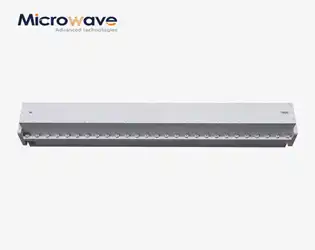
Benefits of Waveguide Harmonic Filter in Industrial Systems
May 14, 2026
Waveguide Harmonic Filters are very useful in industrial systems because they get rid of unwanted harmonic frequencies that are generated by high-power amps. This keeps the spectrum pure and makes sure that regulations are followed. These passive microwave parts keep interference from happening with nearby frequency bands, which is very important in radar and satellite communication settings with a lot of people. They also keep high-energy harmonic signals from damaging sensitive equipment further down the line. In defense, aerospace, telecommunications, and research settings where accuracy and dependability are essential, Waveguide Harmonic Filters improve system efficiency, lower electromagnetic interference, and extend the life of equipment by keeping signals clean and insertion loss to a minimum.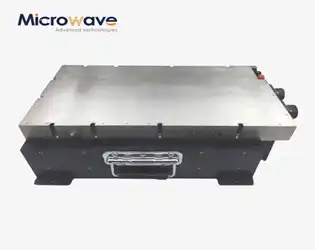
Adjustable Voltage Output AC Power Amplifiers: Features and Benefits
May 12, 2026
AC Power Amplifier with adjustable voltage output are complex electronic devices designed to boost alternating current signals and give precise control over output voltage levels. An AC Power Amplifier, in contrast to other fixed-voltage power sources, takes in signals and boosts them so they can power a wide range of loads, from testing equipment in research labs to complex grid modeling settings. These amplifiers solve important problems in industry, like how to drive reactive loads without noise, make power grid changes look real for compliance testing, and keep signal integrity in harsh operating conditions. Because they are so flexible, they are essential for testing in flight, validating communications, and making precise measurements.