





BLOG
Why Use Precision Phase Shifters in Modern Radar Systems?
August 12, 2026
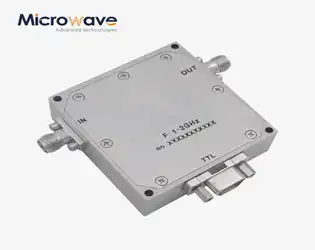
Modern radar systems demand components that deliver unwavering accuracy and reliability under the most challenging conditions. Precision phase shifters have become indispensable in these applications because they enable exact control over signal phase, which directly translates to superior beam steering, enhanced target resolution, and improved overall system performance. Unlike conventional phase shifting devices, precision models maintain phase accuracy within ±2 degrees across wide frequency ranges, ensuring that radar systems can distinguish between closely spaced targets, track fast-moving objects, and operate effectively in cluttered electromagnetic environments where every degree of phase error can mean the difference between mission success and failure.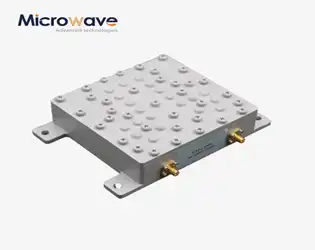
low loss bandpass filters: Key Specs for Better RF Performance
August 12, 2026
Low-loss bandpass filters represent a cornerstone technology in modern RF and microwave systems, enabling precise frequency selection while preserving signal strength throughout transmission chains. These specialized components allow desired frequency bands to pass through with minimal insertion loss—typically under 1.0 dB—while effectively rejecting unwanted signals outside the passband. In mission-critical applications spanning satellite communications, defense radar systems, and aerospace navigation platforms, the difference between a standard filter and a low-loss variant can determine overall system viability. The growing complexity of wireless spectrum management, coupled with stringent power budget constraints in remote installations, has elevated low loss bandpass filters from convenient accessories to indispensable system elements that directly influence link reliability and operational range.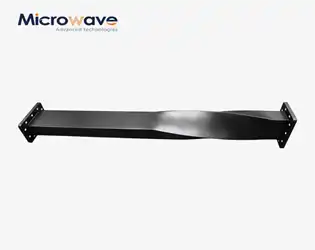
How Does a Twisted Waveguide Improve Signal Performance?
August 12, 2026
A twisted waveguide improves signal performance by introducing a controlled helical rotation along the transmission path, which manipulates the electromagnetic field distribution to minimize polarization mismatch and reduce mode conversion losses. This geometric twist ensures smoother transitions between components with differing orientations, maintaining signal integrity across complex routing scenarios. By controlling the rate of rotation and optimizing internal dimensions, these flexible transmission lines achieve lower VSWR (Voltage Standing Wave Ratio), reduced insertion loss, and enhanced bandwidth stability—critical factors for high-frequency applications in satellite communications, radar systems, and aerospace platforms where rigid waveguides cannot accommodate mechanical constraints or dynamic positioning requirements.
How to Choose the Right Planar Spiral Antenna for Your Application
August 11, 2026
Choosing the right Planar Spiral Antenna demands careful attention to technical specifications, operational environments, and procurement priorities. At its core, the decision hinges on matching frequency range, bandwidth, polarization characteristics, and form factor constraints to your system's mission-critical requirements. For procurement engineers evaluating options across defense, aerospace, satellite, or telecommunications sectors, understanding how spiral geometry influences performance—combined with supplier capabilities like customization, compliance certifications, and delivery timelines—ensures optimized system integration and long-term reliability.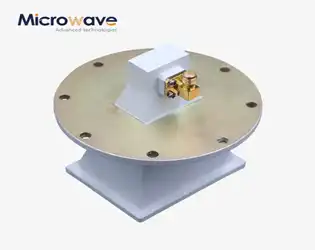
How to Optimize Pyramidal Horn Antenna Design
August 11, 2026
Optimizing pyramidal horn antenna design requires a strategic balance of electromagnetic theory, precise geometry, and material selection. Successful optimization starts with understanding how aperture dimensions, flare angles, and waveguide transitions influence gain, beamwidth, and impedance matching. Engineers must address phase error minimization across the aperture while controlling VSWR to ensure efficient power transmission. At Advanced Microwave Technologies Co., Ltd, we've refined these principles over two decades, delivering high-performance solutions for radar, satellite communication, and EMC testing applications where reliability and precision matter most.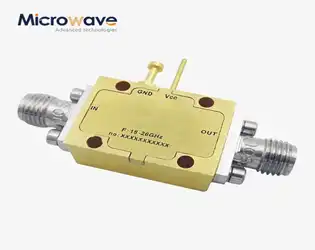
Precision Phase Shifters for High-Accuracy Beamforming
August 11, 2026
Precision phase shifters represent fundamental building blocks in modern beamforming architectures, enabling dynamic control over electromagnetic wave propagation. These devices adjust the phase relationship between multiple signal paths without altering amplitude, allowing systems to steer radiating beams electronically toward desired directions. In high-accuracy beamforming applications—from phased array radar to 5G massive MIMO base stations—the ability to achieve phase shifts with minimal error directly determines system resolution, target discrimination, and spectral efficiency. When evaluating these components, procurement professionals must consider phase accuracy, insertion loss, frequency bandwidth, and environmental resilience as core performance indicators that define mission-critical reliability.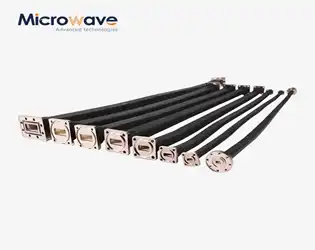
How to Choose Twistable Waveguides for Your Application
August 10, 2026
Selecting the right twistable waveguides requires careful evaluation of technical specifications, material composition, and supplier capabilities. Procurement teams must prioritize frequency band compatibility, insertion loss performance, and polarization rotation accuracy to ensure seamless integration into radar, satellite, or microwave heating systems. Understanding the distinction between flexible routing capabilities and rigid polarization adjustment helps engineers match component characteristics to installation constraints. Environmental durability, power handling capacity, and certification compliance directly impact long-term reliability in mission-critical applications. Partnering with manufacturers offering customization, testing documentation, and responsive technical support minimizes procurement risk while optimizing system performance.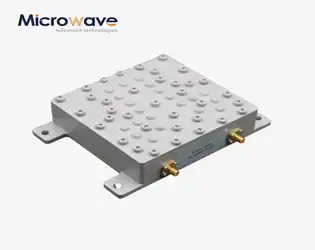
low loss bandpass filters vs Standard RF Filters: Which Is Better?
August 10, 2026
When procuring RF components for mission-critical systems, the choice between low loss bandpass filters and standard RF filters hinges on your performance priorities. Low-loss bandpass filters deliver exceptional signal integrity through minimized insertion loss—typically below 1.0 dB—making them superior for applications where every decibel matters. These filters utilize high-conductive materials like silver-plated brass or aluminum resonators, achieving unloaded Q-factors from 500 to 5,000. Standard RF filters, including ceramic and conventional bandpass designs, serve general-purpose needs at lower costs but often compromise on performance. The answer depends on whether your system demands maximum efficiency, high-power handling, and long-term reliability, or can tolerate higher losses for budget considerations.