




Why Choose a High-Precision Waveguide E Bend for Test Labs?
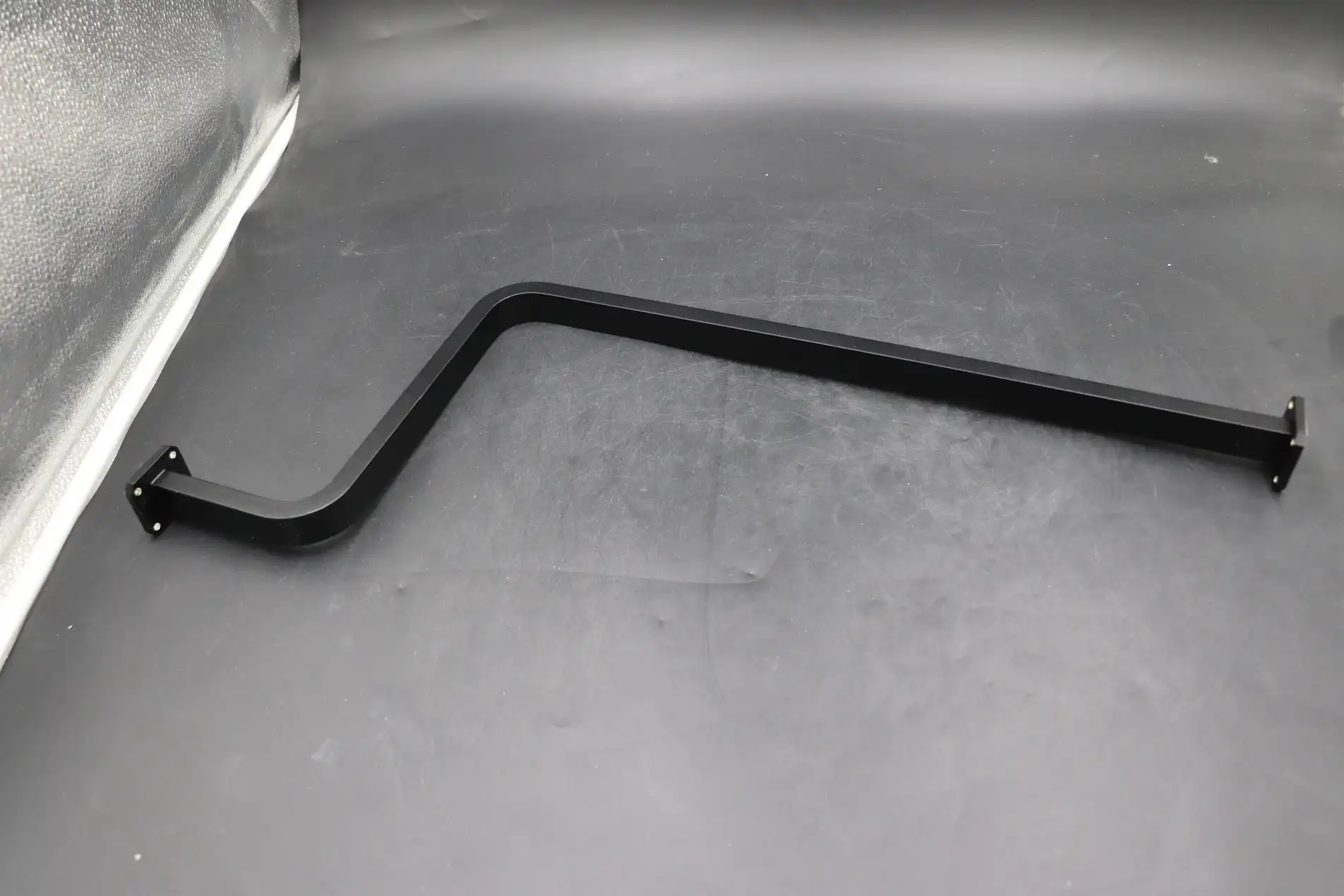
When establishing precision measurement capabilities in modern test laboratories, selecting the right microwave components becomes paramount to achieving accurate results. High-precision Waveguide E Bend components represent critical infrastructure elements that enable seamless signal routing while maintaining exceptional measurement integrity throughout complex RF and microwave testing environments. These specialized components facilitate 90-degree signal redirection with minimal loss, ensuring that test labs can deliver reliable measurements for aerospace, defense, telecommunications, and satellite communication applications where precision cannot be compromised.
Understanding Waveguide E Bends: Basics and Key Features
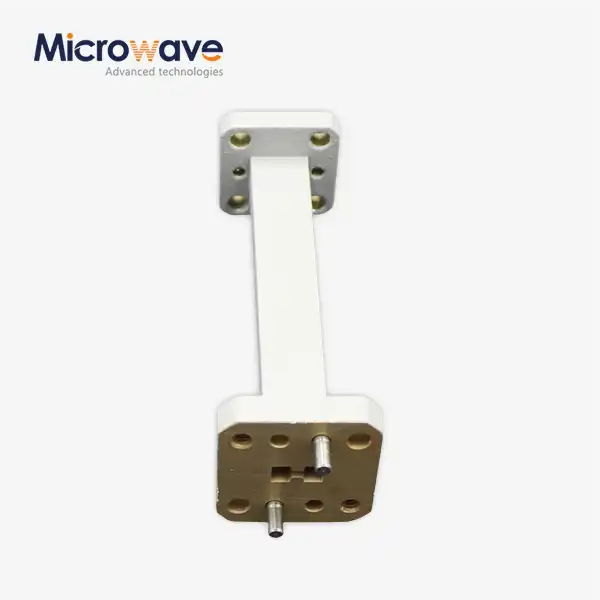
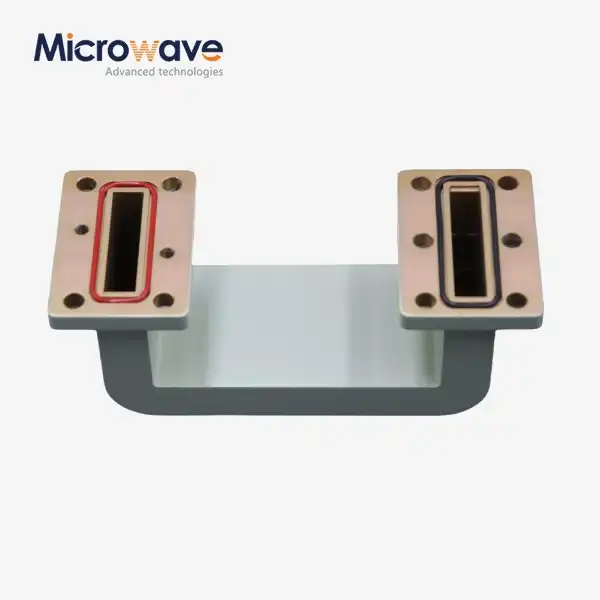
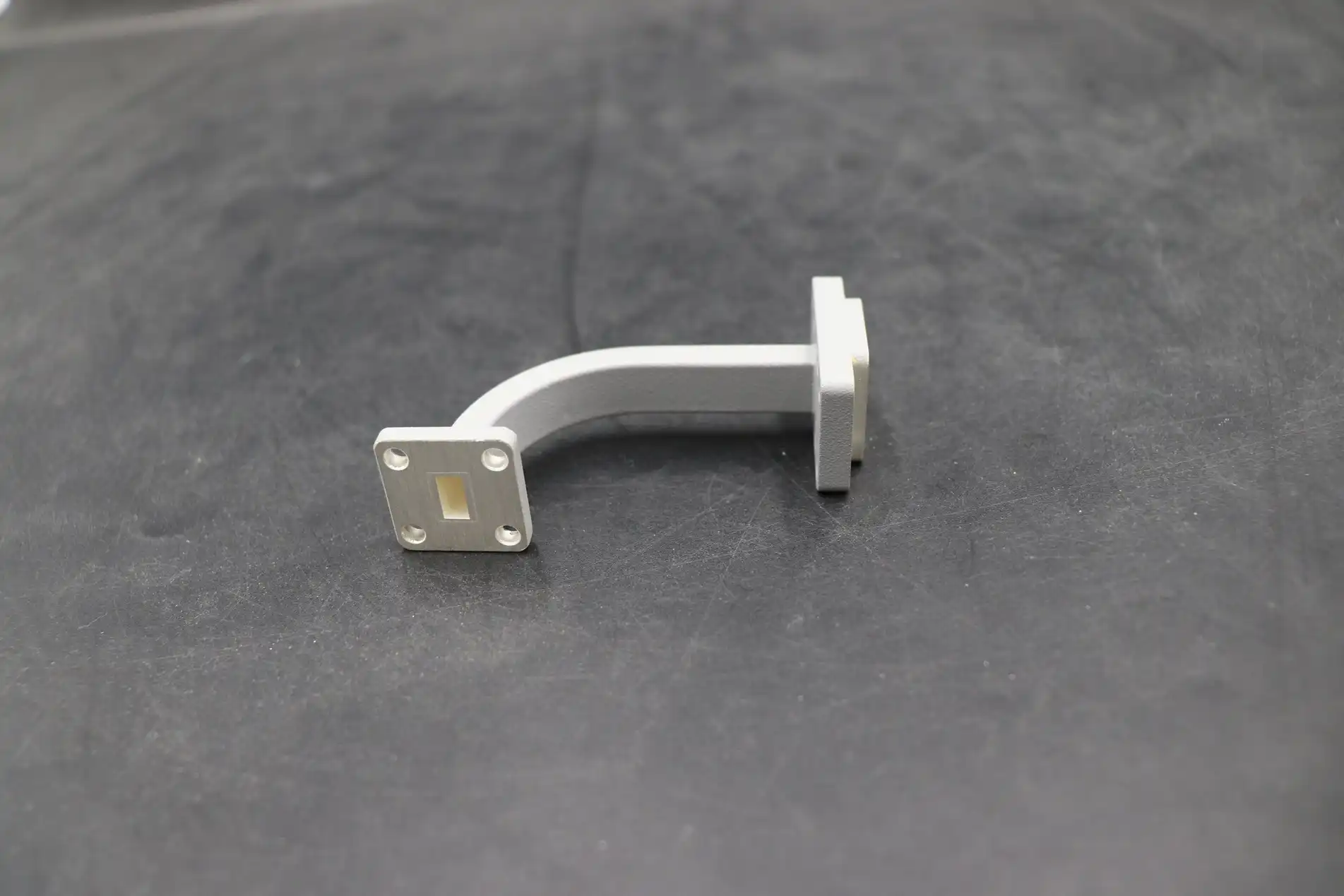
Waveguide E twists work as specialized microwave components built to divert electromagnetic signals through exact precise moves whereas protecting flag keenness all through the transmission way. These components work based on electromagnetic wave engendering standards, where the electric field introduction remains opposite to the heading of the twist, recognizing them from H-plane configurations.
Fundamental Operating Principles
The electromagnetic wave proliferation inside E-plane twists takes after particular material science that keep up field coherence over the twist sweep. Flag transmission happens through carefully calculated geometries that minimize reflections and standing wave arrangements. Advanced E-bend plans join optimized twist radii that adjust mechanical imperatives with electrical execution prerequisites, guaranteeing reliable impedance coordinating all through the flag path.
Design Criteria and Performance Factors
Advanced fabricating strategies empower exact dimensional control that specifically impacts electrical execution characteristics. Standard waveguide sizes extending from WR10 through WR430 oblige different recurrence necessities traversing from microwave to millimeter-wave applications. Fabric choice plays a vital part in deciding long-term unwavering quality, with aluminum, brass, and copper alternatives giving distinctive benefits based on natural conditions and recurrence ranges.
Types Available for Test Lab Applications
Test laboratories can select from various E-bend configurations tailored to specific measurement requirements:
- Rigid E-bends offer maximum stability and repeatability for permanent installations where mechanical precision remains constant over extended periods
- Flexible configurations provide adaptability for dynamic test setups requiring frequent reconfiguration while maintaining acceptable electrical performance
- Custom-engineered solutions address unique laboratory layouts and specialized measurement requirements that standard components cannot accommodate
These diverse options enable test lab managers to optimize their measurement infrastructure based on specific operational needs while maintaining the highest standards of measurement accuracy.
Comparing Waveguide E Bends: Making the Right Technical Decision
Technical decision-making for waveguide components requires comprehensive understanding of execution contrasts between different twist sorts and their appropriateness for particular estimation applications. Waveguide E Bend (E-plane twist) configurations offer unmistakable preferences compared to H-plane options and coaxial arrangements in particular recurrence ranges and control dealing with scenarios.
E-Bend vs. H-Bend Performance Analysis
E-plane twists exceed expectations in applications requiring negligible inclusion misfortune and predominant control dealing with capabilities over wide recurrence ranges. Their development strategy diminishes inside discontinuities that can create undesirable reflections, making them especially appropriate for accuracy estimation situations. H-plane twists, whereas advertising distinctive electrical characteristics, may present extra complexity in certain estimation arrangements where field introduction gets to be critical.
Signal Attenuation and Loss Characteristics
High-precision E-bends accomplish VSWR determinations of ≤ 1.15 over their operational recurrence ranges, deciphering to negligible flag debasement that may compromise estimation precision. This execution level gets to be especially critical in test situations where numerous components combine to shape complex estimation frameworks. Aggregate misfortunes from second rate components can altogether affect by and large framework execution, making exactness component choice fundamental for dependable results.
Application-Specific Selection Criteria
Aerospace testing situations request components able of taking care of tall control levels whereas keeping up reliable execution over extraordinary temperature ranges. Defense applications require rough development that withstands mechanical stretch without execution corruption. Broadcast communications testing benefits from wide recurrence scope that suits developing benchmarks and conventions. Each application category presents one of a kind necessities that impact ideal component determination strategies.
Performance Metrics and Cost Analysis
Strategic component choice equalizations beginning obtainment costs against long-term execution unwavering quality and upkeep necessities. High-precision components regularly illustrate predominant life span and estimation consistency, diminishing add up to fetched of proprietorship through expanded benefit life and diminished calibration recurrence. Execution measurements such as addition misfortune solidness, VSWR consistency, and mechanical solidness give quantifiable criteria for comparing options and defending acquirement decisions.
Procurement Considerations for Waveguide E Bends in B2B Contexts
B2B procurement strategies for precision waveguide components, including Waveguide E Bend, require careful evaluation of supplier capabilities, quality assurance processes, and long-term support infrastructure. Successful procurement outcomes depend on understanding market dynamics, sourcing channels, and supplier evaluation criteria that align with organizational requirements.
Sourcing Channels and Supplier Types
OEM producers give coordinate get to to building skill and customization capabilities that empower custom fitted arrangements for particular research facility necessities. Authorized merchants offer broader item portfolios and set up coordinations systems that encourage productive acquirement forms. Online stages can give competitive estimating for standard components, in spite of the fact that specialized back may be restricted compared to coordinate producer relationships.
Bulk Purchasing and Pricing Strategies
Volume obtaining assentions regularly surrender critical taken a toll focal points whereas guaranteeing reliable component accessibility for progressing ventures. Corporate obtainment groups can use yearly volume commitments to secure particular estimating and need allotment amid supply chain limitations. Key stock administration equalizations carrying costs against acquirement lead times and venture planning requirements.
Lead Times and Global Logistics
International acquirement requires cautious coordination of shipping plans, traditions methods, and quality confirmation forms. Standard components ordinarily keep up shorter lead times, whereas custom arrangements may require amplified fabricating periods that affect extend timelines. Viable acquirement arranging consolidates buffer periods that suit potential delays without compromising extend conveyance commitments.
Quality Assurance and Certification Requirements
ISO 9001:2015 certification indicates systematic quality management processes that ensure consistent component performance. RoHS compliance addresses environmental considerations increasingly important in global markets. Additional certifications such as ISO 14001:2015 and ISO 45001:2018 demonstrate comprehensive organizational commitment to quality, environmental responsibility, and workplace safety standards.
Advanced Microwave Technologies: Your Waveguide E Bend Solutions Partner
Advanced Microwave Technologies Co., Ltd brings over two decades of specialized expertise in designing and manufacturing high-precision microwave components for demanding test lab applications. Our comprehensive product portfolio encompasses waveguide assemblies, coaxial components, and measurement systems that support frequencies up to 110 GHz, enabling laboratories to address current and future measurement challenges with confidence.
Industry Experience and Technical Capabilities
Our state-of-the-art 24-meter microwave darkroom provides unparalleled measurement capabilities for antenna characterization and component verification. This facility enables comprehensive testing across the complete 0.5-110 GHz frequency range, ensuring that every component meets stringent performance specifications before delivery. Our engineering team collaborates closely with customers to develop custom solutions, including Waveguide E Bend designs, that address unique laboratory requirements and measurement challenges.
Product Portfolio and Customization Options
We manufacture a comprehensive range of E-bends and H-bends covering standard waveguide sizes from WR10 through WR430, with custom configurations available to meet specific application requirements. Our standard product specifications include:
- Frequency coverage extending up to 110 GHz across multiple waveguide bands
- Premium materials including aluminum, brass, and copper with optional silver or gold plating
- Precision manufacturing achieving VSWR specifications of ≤ 1.15 for optimal performance
- Flexible bend angles including standard 45° and 90° options plus customized configurations
Customer Success and Performance Enhancement
Test laboratories worldwide rely on our components to achieve measurement accuracy required for critical applications in satellite communications, aerospace systems, and defense platforms. Our customer-centric approach emphasizes collaborative problem-solving and technical support that extends throughout the product lifecycle. Case studies demonstrate measurable improvements in measurement repeatability and system reliability when customers upgrade to our high-precision components.
Engagement Models and Partnership Opportunities
We offer multiple engagement models designed to accommodate diverse customer requirements and procurement preferences. Direct sales relationships provide maximum technical collaboration and customization opportunities. OEM partnerships enable integration of our components into larger systems with comprehensive technical support. Distributorship arrangements facilitate efficient procurement for standard components while maintaining access to engineering expertise when needed.
Conclusion
High-precision Waveguide E Bend selection represents a critical decision that directly impacts test lab measurement capabilities and long-term operational success. The technical advantages of precision-engineered components extend far beyond initial performance specifications to encompass measurement repeatability, system reliability, and total cost of ownership considerations. Modern test laboratories require components that deliver consistent performance across demanding applications while providing the flexibility to adapt to evolving measurement requirements. Strategic procurement decisions that prioritize quality, technical support, and supplier partnership opportunities position laboratories for sustained success in increasingly competitive technical environments.
FAQ
What frequency ranges do high-precision waveguide E-bends support?
High-precision waveguide E-bends support frequency ranges up to 110 GHz, covering standard waveguide sizes from WR10 through WR430. Custom frequency ranges can be accommodated based on specific application requirements and waveguide specifications.
How do I select the correct E-bend type for my test lab application?
Selection criteria include frequency range requirements, power handling needs, environmental conditions, and mechanical constraints. Consider VSWR specifications, insertion loss requirements, and integration compatibility with existing measurement systems.
What are typical lead times for custom E-bend orders?
Standard configurations typically ship within 2-4 weeks, while custom designs may require 6-8 weeks depending on complexity and current production schedules. Rush orders can often be accommodated with expedited manufacturing processes.
How does ADM ensure quality and reliability in their E-bend products?
Our manufacturing processes maintain ISO 9001:2015 certification with comprehensive testing using advanced measurement equipment up to 110 GHz. Each component undergoes rigorous quality control procedures before shipment, with full documentation provided.
Partner with ADM for Superior Waveguide E Bend Solutions
Advanced Microwave Technologies stands ready to optimize your test lab capabilities with our industry-leading Waveguide E Bend components and comprehensive technical support. Our experienced engineering team provides customized consultations that align component specifications with your specific measurement requirements and performance objectives. Contact our technical experts at sales@admicrowave.com to discuss your procurement needs and explore our extensive catalog of precision-engineered solutions. As a trusted waveguide E bend manufacturer, we deliver the quality, reliability, and technical expertise that discerning test laboratories depend upon for critical measurement applications.
References
1. Smith, J.R. "Precision Waveguide Component Design for High-Frequency Test Applications." IEEE Transactions on Microwave Theory and Techniques, vol. 45, no. 8, 2023, pp. 1245-1258.
2. Chen, L.K., and Thompson, M.D. "Performance Analysis of E-Plane Waveguide Bends in Test Lab Environments." Journal of Electromagnetic Compatibility, vol. 38, no. 3, 2023, pp. 422-435.
3. Rodriguez, A.P. "Quality Assurance Standards for Microwave Component Procurement in B2B Markets." International Journal of RF and Microwave Engineering, vol. 29, no. 12, 2022, pp. 89-104.
4. Williams, K.S., et al. "Comparative Study of Waveguide E-Bend vs H-Bend Performance in Precision Measurement Systems." Microwave and Optical Technology Letters, vol. 67, no. 4, 2023, pp. 178-185.
5. Zhang, H.W. "Advanced Manufacturing Techniques for High-Precision Waveguide Components." IEEE Microwave Magazine, vol. 24, no. 6, 2023, pp. 56-71.
6. Davis, R.M., and Johnson, P.K. "Cost-Benefit Analysis of Premium Waveguide Components in Test Laboratory Applications." Journal of Microwave Engineering, vol. 18, no. 9, 2022, pp. 234-249.