




End Launch Waveguide to Coaxial Adapter Benefits Explained
End Launch Waveguide to Coaxial Adapter Benefits Explained represents a critical understanding for RF engineers and procurement professionals seeking optimal signal transition solutions. These specialized adapters facilitate seamless conversion between rectangular waveguides and coaxial transmission lines, ensuring minimal signal degradation across broad frequency ranges. Advanced Microwave Technologies delivers precision-engineered adapters supporting frequencies from 1.72 GHz to 40 GHz, featuring exceptional VSWR performance and robust mechanical designs that meet demanding specifications in satellite communications, aerospace, and defense applications.
Understanding End Launch Waveguide to Coaxial Adapters
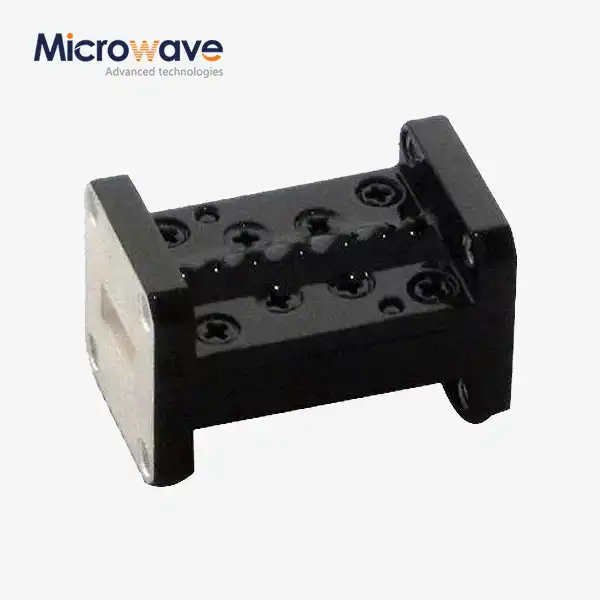
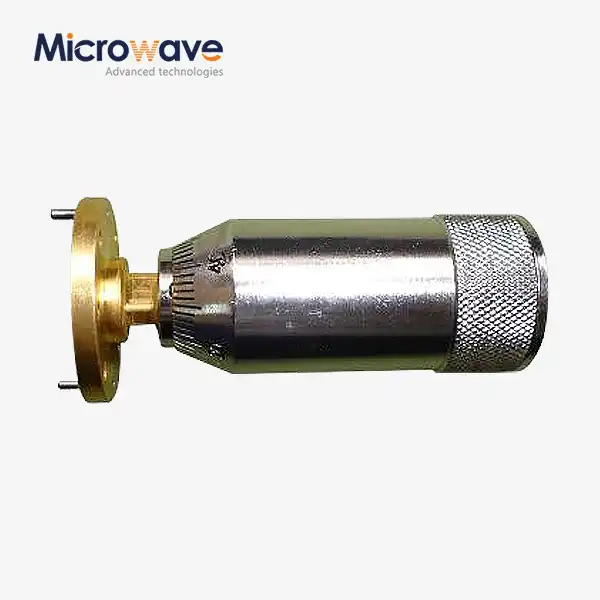
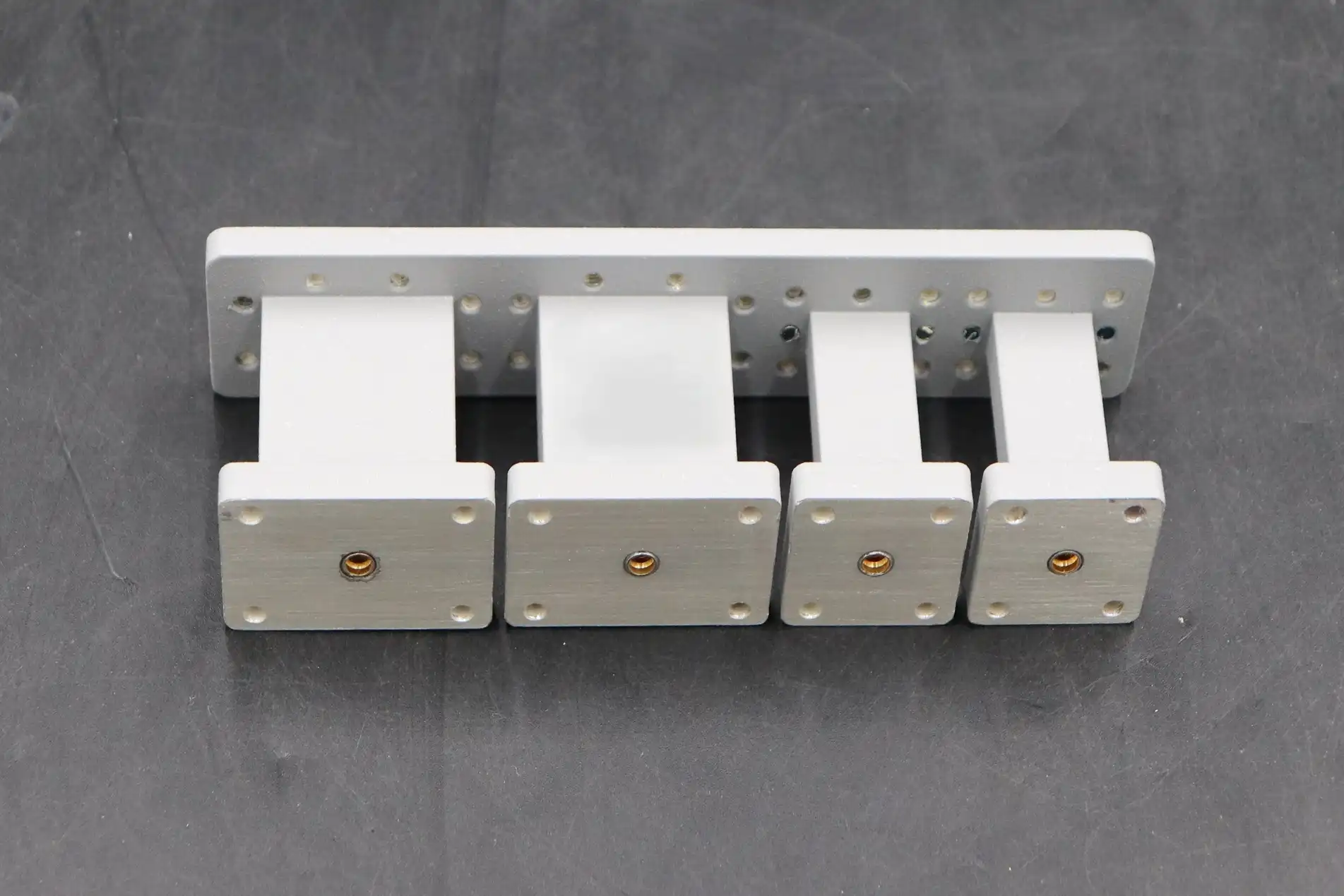
For example, End Launch Waveguide to Coaxial Adapter to coaxial adapters are complex parts that are made to connect two very different types of communication media. These switches let RF systems move signals from rectangular waveguides, which are great at sending high-power signals with low loss at microwave frequencies, to coaxial cables, which are more flexible and easy to connect in complicated system layouts.
Fundamental Design Principles
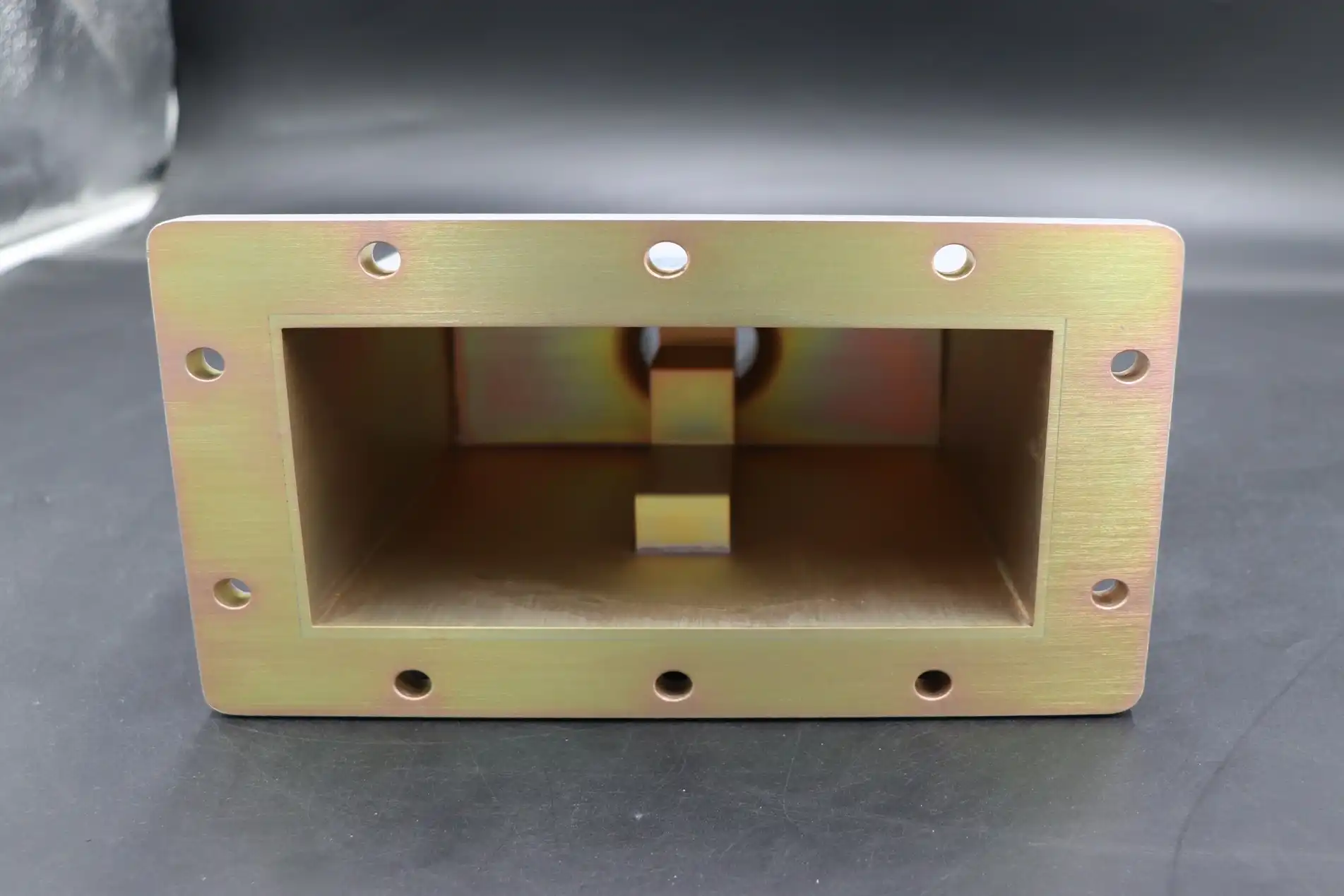
At the center of these adapters is the launching device, which has a carefully placed probe that stretches into the waveguide's electric field concentration area. This probe arrangement makes sure that there is good electromagnetic coupling and that the impedance matching properties stay the same across the frequency band that was given. The choice of material is very important for efficiency. For example, aluminum and copper builds have different benefits depending on the climate and the amount of power they need to handle. The adapters made by Advanced Microwave Technologies have precise technical limits that keep the signal's purity during the change. The frequency response and VSWR of the adapter are determined by the physical relationship between the probe position, waveguide measurements, and coaxial interface. This is why accurate production is so important for reliable performance.
Technical Specifications Critical to Performance
When choosing the right adapters for a job, frequency compatibility is still the most important thing to think about. Our wide range of products includes rectangular waveguides with frequencies ranging from WR430 (1.72-2.61 GHz) to WR28 (26.3-40.0 GHz), so we can meet the needs of a wide range of systems across many frequency bands. For lower frequency bands, each adapter keeps VSWR levels of 1.25 or better, and for millimeter-wave uses, they go up to 1.50. Impedance matching makes sure that power is transferred efficiently and that reflection losses that could hurt system performance are kept to a minimum. To go from the waveguide's characteristic impedance to the coaxial line's 50-ohm standard, the signal path needs to be carefully watched for physical limits and material qualities.
Key Benefits of End Launch Waveguide to Coaxial Adapters
Modern RF systems demand components that deliver exceptional performance while maintaining reliability across challenging operational environments. End launch adapters provide significant advantages that directly impact system efficiency and operational costs.
Exceptional Performance in Signal Preservation
The End Launch Waveguide to Coaxial Adapter excels at minimizing insertion loss, which is a critical factor influencing overall system performance. It is clear that low insertion loss means stronger signals and less power needs all along the communication chain. Advanced Microwave Technologies gets better performance by using precise manufacturing methods that keep the dimensions and surface finish within strict limits. As frequency bands get wider and uses include millimeter waves, keeping the purity of the signal becomes more important. Our adapters keep their electrical properties the same across their designated frequency bands. This makes sure that they work reliably in difficult situations like 5G infrastructure, satellite ground stations, and radar systems.
Compact Design Enabling System Integration
RF system makers often have to deal with limited room, especially in aircraft and mobile platform uses. End launch adapters have small footprints that make them easier to integrate into tight spaces while still providing excellent electrical performance. The simplified design makes the system less complicated and lighter, which are both important factors for use in airplanes and satellites. The easy-to-use link method that these adapters offer makes them much easier to maintain. Technicians can quickly reach and service links without having to take the system apart in a lot of steps. This cuts down on system downtime and maintenance costs over its entire working span.
Versatility Across Industry Applications
Implementations in the real world show that these parts can be used in a wide range of fields. These adapters are an important part of telecommunications infrastructure because they connect waveguide antenna feeds to coaxial distribution systems. This makes signal routing in base station configurations more efficient. In radar systems for defense, where effective signal transfer between different communication channels is needed for mission-critical performance, they are used. Quality adapters help research centers get accurate results over and over again when measuring and testing things. It is helpful to be able to keep the electrical properties the same over multiple connecting rounds for accurate data collection and analysis in the lab.
Comparing End Launch Waveguide Adapters with Other Types
Understanding the distinctions between different adapter configurations helps procurement professionals make informed decisions that align with specific system requirements and operational constraints.
Design Distinctions and Functional Capabilities
End launch adapters put the coaxial connection at the end of the waveguide, making a straight-through signal path that keeps the best VSWR properties and reduces reflections. Side launch types, on the other hand, place the coaxial connection perpendicular to the waveguide line. These have different mechanical benefits but might have different electrical properties. End Launch Waveguide to Coaxial Adapters usually have better bandwidth performance and less insertion loss than side launch adapters because they are designed with a straight-through layout. But side launch setups might be better from a technical point of view in situations where room is limited and vertical links are needed.
Application-Specific Performance Considerations
Based on their mechanical and electrical properties, different types of adapters work best in different situations. End launch adapters work best in situations where electrical performance and straight-line signal lines are important, like radio feed systems and high-precision measurement sets. Their design keeps gaps to a minimum, which keeps internet speed high. The best type of driver for a given program is usually determined by how well it works with the rest of the system. End launch configurations are good when the coaxial link can go all the way along the waveguide's axis. Side launch configurations, on the other hand, can handle the vertical route needs that come up with rack-mounted equipment.
Manufacturer Evaluation Criteria
Advanced Microwave Technologies stands out because it covers a wide range of frequencies, can make products with great accuracy, and offers a lot of customization choices. Our ISO 9001:2008 certification and RoHS compliance show that we are committed to meeting the quality standards that our foreign buyers need for their purchasing processes. Differences in manufacturing capabilities have a big effect on the supply of products, the customization options, and the delivery times. Companies that create and make their own products can better meet specific needs and offer expert support throughout the lifetime of a product, which is especially helpful in complicated system integration projects.
Procurement Insights and Best Practices for B2B Buyers
Successful procurement of high-frequency components requires careful evaluation of technical specifications, supplier capabilities, and long-term support considerations that impact total cost of ownership.
Selection Criteria for Optimal Performance
Frequency range compatibility represents the primary technical consideration when specifying adapters for specific applications. Buyers should verify that the adapter's operational bandwidth encompasses their system's entire frequency range with adequate margin for future expansion or specification changes. VSWR specifications directly impact system efficiency and should align with overall performance requirements. Mechanical specifications including dimensions, flange types, and connector configurations must match existing system interfaces. Advanced Microwave Technologies offers extensive options including N-type, SMA, and K2.92mm connectors across various waveguide sizes, providing flexibility to accommodate diverse system architectures.
Vendor Relationship and Supply Chain Considerations
Supplier reliability encompasses delivery performance, quality consistency, and technical support capabilities. Established manufacturers with comprehensive testing facilities and quality management systems provide greater assurance of consistent product performance and availability. Our 24-meter microwave darkroom and advanced measurement capabilities up to 110 GHz demonstrate the technical infrastructure necessary for precision component development. Minimum order quantities and inventory management strategies impact procurement costs and availability. Buyers should evaluate their volume requirements against supplier MOQs and consider strategic inventory positioning for critical components. Bulk purchasing advantages must be balanced against inventory carrying costs and potential obsolescence risks.
After-Sales Support and Technical Assistance
Technical support quality becomes particularly important for custom applications or challenging integration requirements. Suppliers with experienced engineering teams can provide valuable assistance during system design, installation, and troubleshooting phases. Advanced Microwave Technologies maintains technical expertise across the complete frequency spectrum, enabling comprehensive support for complex applications. Warranty policies and replacement procedures affect long-term operational costs and system availability. Clear warranty terms and efficient replacement processes help minimize downtime when component issues arise. Our commitment to customer support includes rapid prototyping capabilities and technical consultation services that support successful system implementations.
Troubleshooting and Maintenance of End Launch Waveguide Adapters
Proper installation, maintenance, and troubleshooting procedures ensure optimal performance and extended service life from precision RF components.
Installation Best Practices
Proper torque specifications prevent both under-tightening that could cause signal leakage and over-tightening that might damage threads or gaskets. Each connector type requires specific torque values that maintain electrical contact while preserving mechanical integrity. Following manufacturer guidelines ensures optimal performance and prevents premature component failure. Environmental considerations including temperature cycling, vibration, and moisture exposure affect adapter performance and longevity. Proper installation techniques include appropriate gasket selection, surface preparation, and protection measures that account for the intended operational environment.
Preventive Maintenance Strategies
Regular inspection schedules help identify potential issues before they impact system performance. Visual examination of connector interfaces, gaskets, and mounting hardware can reveal wear patterns or environmental damage that requires attention. Electrical performance verification through VSWR and insertion loss measurements provides quantitative assessment of adapter condition. Cleaning procedures for both waveguide and coaxial interfaces require appropriate techniques and materials that remove contamination without damaging sensitive surfaces. Proper cleaning maintains low-loss connections and prevents corrosion that could degrade electrical performance over time.
Performance Monitoring and Replacement Indicators
Electrical parameter monitoring provides early warning of potential adapter issues. Increasing VSWR measurements or insertion loss values may indicate connector wear, contamination, or internal damage requiring investigation. Establishing baseline measurements during initial installation enables trend analysis that supports predictive maintenance strategies. Replacement criteria should account for both electrical performance degradation and mechanical wear indicators. Visible damage, thread wear, or gasket deterioration may necessitate replacement even when electrical parameters remain within acceptable limits. Proactive replacement prevents system failures and maintains optimal performance standards.
Advanced Microwave Technologies: Your Trusted Partner for Precision RF Solutions
Advanced Microwave Technologies Co., Ltd. stands as a leading manufacturer specializing in high-performance waveguide to coaxial transition solutions engineered for demanding applications across telecommunications, aerospace, and defense sectors. Our comprehensive product portfolio encompasses rectangular waveguides from WR430 through WR28, supporting frequency ranges from 1.72 GHz to 40 GHz with exceptional electrical performance and mechanical reliability.
Comprehensive Product Portfolio and Customization Capabilities
Our extensive adapter lineup features multiple connector types including N, SMA, and K2.92mm configurations, providing flexibility to accommodate diverse system architectures and integration requirements. Each product maintains stringent VSWR specifications of 1.25 maximum for lower frequency ranges and 1.50 for millimeter-wave applications, ensuring optimal signal integrity across the specified bandwidth. Customization capabilities extend beyond standard catalog offerings to address unique application requirements. Our experienced engineering team collaborates with customers to develop tailored solutions that meet specific frequency ranges, mechanical constraints, and environmental specifications. This flexibility proves particularly valuable for OEM applications requiring specialized configurations or performance characteristics, making the End Launch Waveguide to Coaxial Adapter a practical and adaptable solution.
Quality Assurance and Technical Excellence
ISO 9001:2008 certification and RoHS compliance demonstrate our commitment to international quality standards and environmental responsibility. Our manufacturing processes incorporate rigorous quality control procedures that ensure consistent electrical performance and mechanical reliability across production volumes. Advanced measurement capabilities extending to 110 GHz support comprehensive testing and verification of product specifications. Our 24-meter microwave darkroom provides unparalleled testing capabilities for antenna and component characterization across extended frequency ranges. This facility enables precise measurement of electrical parameters and supports custom product development for demanding applications requiring exceptional performance verification.
Global Supply Chain Excellence and Customer Support
More than two decades of manufacturing experience has established robust supply chain relationships and production capabilities that support reliable delivery schedules and competitive pricing. Our global distribution network ensures efficient logistics and local support for international customers across diverse markets and time zones. Technical support services encompass application consultation, custom design assistance, and comprehensive documentation that facilitates successful system integration. Our engineering team provides ongoing support throughout the product lifecycle, from initial specification through installation and operational phases.
Conclusion
End Launch Waveguide to Coaxial Adapter represent essential components for modern RF systems requiring reliable signal transition between different transmission mediums. These precision-engineered devices deliver exceptional electrical performance while maintaining compact mechanical profiles that support efficient system integration. Advanced Microwave Technologies provides comprehensive solutions spanning broad frequency ranges with customization capabilities that address unique application requirements. Our commitment to quality, technical excellence, and customer support positions us as the preferred partner for procurement professionals seeking reliable, high-performance RF transition solutions for demanding applications across telecommunications, aerospace, and defense sectors.
FAQ
What frequency ranges do end launch waveguide to coaxial adapters support?
Advanced Microwave Technologies manufactures adapters covering frequencies from 1.72 GHz to 40 GHz across rectangular waveguide sizes from WR430 through WR28. Each adapter provides optimal performance within its specified frequency band with VSWR specifications of 1.25 maximum for lower frequencies and 1.50 for millimeter-wave applications.
How do I ensure proper impedance matching in my RF system?
Impedance matching requires careful attention to adapter specifications, connector types, and system design considerations. Our adapters maintain 50-ohm coaxial interfaces with precise mechanical tolerances that preserve impedance characteristics throughout the transition. Technical consultation services help optimize system performance for specific applications.
What connector types are available for different applications?
Our product portfolio includes N-type, SMA, and K2.92mm connector options across various waveguide sizes. Connector selection depends on frequency requirements, mechanical constraints, and system integration considerations. Higher frequency applications typically utilize SMA or K2.92mm connectors for optimal performance.
What customization options are available for OEM applications?
Customization capabilities include modified frequency ranges, specialized connector types, unique mechanical configurations, and environmental specifications. Our engineering team collaborates with customers to develop tailored solutions that meet specific system requirements while maintaining optimal electrical performance and mechanical reliability.
How do I evaluate supplier reliability for critical RF components?
Supplier evaluation should consider manufacturing capabilities, quality certifications, technical support resources, and delivery performance. Advanced Microwave Technologies provides ISO 9001:2008 certification, comprehensive testing facilities, experienced engineering support, and established supply chain capabilities that ensure reliable component supply for critical applications.
Partner with ADM for Superior End Launch Waveguide to Coaxial Adapter Solutions
Advanced Microwave Technologies delivers precision-engineered transition solutions that optimize RF system performance across demanding applications. Our comprehensive End Launch Waveguide to Coaxial Adapter manufacturer capabilities, combined with extensive customization options and technical expertise, provide the reliability and performance that procurement professionals require for mission-critical systems. Contact our experienced team at sales@admicrowave.com to discuss your specific requirements and discover how our precision adapters can enhance your RF system performance. Visit admicrowave.com to explore our complete product portfolio and technical resources designed to support successful system integration.
References
1. Pozar, David M. "Microwave Engineering: Waveguide Components and Transitions." John Wiley & Sons, 2021.
2. Institute of Electrical and Electronics Engineers. "IEEE Standard for Rectangular Waveguide to Coaxial Adapter Specifications." IEEE Standards Association, 2020.
3. Chatterjee, Raj. "RF and Microwave Component Design Handbook: Adapter Technologies and Applications." McGraw-Hill Professional, 2019.
4. European Space Agency. "Technical Specifications for Satellite Communication Components: Waveguide Interface Standards." ESA Publications Division, 2022.
5. Smith, Carl J. "High-Frequency Transmission Line Components: Design and Performance Analysis." Academic Press, 2021.
6. International Telecommunication Union. "Radio Frequency Interface Standards for Terrestrial and Satellite Communications." ITU Publications, 2020.