





How Double Ridge Design Improves Multi-Band Performance?
The double ridge design in waveguide technology represents a breakthrough in multi-band signal transmission, addressing the critical challenges faced by engineers in aerospace, defense, and telecommunications applications. Unlike conventional single ridge configurations, the Double Ridge Waveguide Rotary Joint incorporates two symmetrical ridges within the waveguide structure, dramatically expanding frequency bandwidth capabilities while maintaining exceptional signal integrity. This innovative design enables seamless operation across multiple frequency bands simultaneously, reducing the need for multiple specialized components and significantly improving system efficiency. The enhanced electromagnetic field distribution created by the dual ridge configuration minimizes mode conversion effects and reduces insertion losses, making these components indispensable for modern multi-band radar systems, satellite communications, and complex RF measurement applications.
Understanding the Double Ridge Waveguide Rotary Joint
Double ridge waveguide rotary joints represent a sophisticated evolution in microwave component design, engineered to facilitate continuous signal transmission across rotating interfaces while maintaining minimal signal degradation. These specialized electromechanical devices incorporate two symmetrical ridges positioned within the waveguide structure, creating a unique electromagnetic environment that substantially enhances performance characteristics compared to traditional waveguide designs.
Fundamental Design Principles
The main new thing about the double ridge design is that it lets you change how the electromagnetic field is spread inside the waveguide channel. Engineers can improve impedance matching over a wider frequency range by adding two carefully placed bumps. At the same time, they can stop annoying mode propagation. This way of designing lets the waveguide work in basic mode across frequency bands that would normally need more than one part in a normal system. When making these parts, Advanced Microwave Technologies Co., Ltd pays close attention to both the electrical and mechanical design factors. With more than 20 years of experience in microwave technology, our research team knows how to choose the best materials, place the ridges, and make sure that the dimensions are just right for reliable performance.
Technical Specifications and Performance Parameters
Our range of products covers frequency ranges from 0.84 GHz to 40 GHz. All of them have VSWR standards of ≒1.8 and insertion losses as low as 0.5 dB for lower frequency uses. The ADM-500DRWRJI type, which works from 5 to 18 GHz, shows how the double ridge design can give you a wide range of bandwidth options. It can be used for apps that need to work at the same time across the C, X, and Ku bands. Power handling skills change strategically across frequency ranges. For example, lower frequency models can handle up to 200W of normal power while still managing heat very well. Higher frequency versions, like the ADM-1800DRWRJI that works from 18 to 40 GHz, can handle 30W of power and are best for millimeter-wave uses that value accuracy over raw power capacity.
How the Double Ridge Design Enhances Multi-Band Performance?
Traditional waveguide systems encounter significant limitations when attempting to achieve broad bandwidth operation, typically suffering from increased insertion losses, poor impedance matching, and restricted frequency coverage. The double ridge architecture fundamentally addresses these challenges through innovative electromagnetic field manipulation and optimized mode control mechanisms.

Electromagnetic Field Optimization
The two ridges work together to make a controlled electromagnetic environment where the field concentration is mostly between the ridges. This leads to better resistance qualities and less dispersion effects. This field shaping method ensures uniform performance across several octaves of frequency covering, so there's no need for different parts that are only used for certain frequency bands. Researchers working with major aircraft companies have found that using double-ridge designs makes a meaningful difference in the purity of signals. The test results show that insertion loss is lower by up to 30% compared to single-ridge setups of the same type, and VSWR stays below 1.5:1 across the whole operating bandwidth.
Mode Stability and Dispersion Reduction
Higher-order modes that usually weaken signals in wideband applications are successfully blocked by the uniform placement of the ridges. By keeping fundamental mode control over a wider frequency range, double ridge designs make sure that phase relationships are stable and that group delay changes are kept to a minimum, which could hurt system performance in critical situations.
Real-World Performance Validation
Implementation case studies from satellite ground station operators show that switching from regular rotary joints to double ridge layouts makes a big difference in the ability to communicate across multiple bands. One large telecommunications infrastructure provider reported a 40% drop in the number of parts needed while simultaneously improving signal strength across L, S, C, and X bands. Integrators of military radar systems have also said that using the Double Ridge Waveguide Rotary Joint in multi-frequency monitoring applications improves the ability to identify targets and tell them apart from other targets. It's possible to use more advanced signal processing techniques and better danger identification when performance stays the same across multiple radar bands.
Applications and Advantages for B2B Clients
Double ridge waveguide rotary joints deliver exceptional value across diverse industrial sectors where multi-band capability and unwavering reliability remain paramount considerations. The technology finds widespread adoption in aerospace systems, radar installations, telecommunications infrastructure, and sophisticated test equipment where signal integrity directly impacts operational success.
Aerospace and Defense Applications
In aircraft uses, choosing the right parts is based on how much weight they can hold and how much room they take up. These needs are met by double ridge rotating joints, which combine multiple frequency bands into a single component. This makes the system simpler overall while still meeting strict performance standards. The double ridge shape makes electromagnetic interaction better and crosstalk less likely, which is good for military transmission systems. Defense companies like being able to use software-defined radio systems, which need parts that can keep their performance traits stable across multiple bands and change the frequency as needed. Our production methods are ISO 9001:2015 approved, which means they meet military standards for dependability and meet the needs of mission-critical uses.
Telecommunications Infrastructure Benefits
There is more and more pressure on telecommunications companies to handle various transmission standards at the same time while keeping equipment costs as low as possible. With double ridge rotating joints, antenna systems can support 4G LTE, 5G NR, and new 6G technologies using the same hardware platforms. This cuts down on the need for large capital investments and operating complexity by a large amount.
Here are the core advantages these components deliver for telecommunications applications:
- Consolidated frequency coverage spanning multiple cellular bands reduces equipment inventory and maintenance overhead while improving system reliability through fewer potential failure points
- Enhanced signal quality maintains consistent performance across all supported frequency bands, ensuring optimal user experience regardless of the specific wireless technology being utilized
- Reduced installation complexity simplifies tower modifications and upgrades by eliminating the need for band-specific rotary joints and associated waveguide routing complications
These advantages effectively solve the telecommunications industry's challenge of supporting multiple wireless standards while controlling infrastructure costs and maintaining service quality standards.
Test and Measurement Sector Applications
In order to accurately describe devices over a wide frequency range, research schools and business test facilities need measurement tools. Double-ridge rotary joints let automatic test systems keep their performance tuned while giving them the mechanical freedom they need for complicated measurement situations.
Selecting the Right Double Ridge Waveguide Rotary Joint
To make sure the system works well and is reliable in the long term, picking the right double ridge rotating joint takes a close look at a number of scientific and operating factors. Frequency compatibility, power handling needs, technical limitations, and environmental requirements must all match the needs of the application while taking into account budget and time limits for purchase.
Technical Parameter Evaluation
When selecting double ridge rotating joints, frequency range selection is the most important thing to think about. Models like our ADM-500DRWRJI, which covers 5–18 GHz with ≤1.5 VSWR and ≤0.5 dB insertion loss, are good for applications that need coverage from S-band to Ku-band. For higher frequency needs that go into Ka-band, the ADM-1800DRWRJI version that covers 18–40 GHz would be needed. Power handling must be able to meet both peak and average power needs while still leaving enough safety gaps for stable operation. Temperature changes, shaking exposure, and humidity levels are some of the environmental factors that affect the choice of material and protective coating specs.
Manufacturer Capabilities and Support Services
Leading manufacturers differentiate themselves through customization capabilities, technical support quality, and supply chain reliability, particularly in specialized products such as the Double Ridge Waveguide Rotary Joint. Advanced Microwave Technologies Co., Ltd distinguishes itself through comprehensive OEM services, enabling customization of frequency ranges, flange configurations, and mechanical dimensions to meet specific application requirements. Our technical support team provides installation guidance, performance optimization recommendations, and troubleshooting assistance throughout the product lifecycle. Rapid prototyping capabilities enable customers to evaluate custom configurations before committing to production quantities, reducing project risks and accelerating development timelines.
Procurement Considerations and Strategic Sourcing
Volume pricing structures reward larger quantity commitments while ensuring consistent supply chain access for ongoing production requirements. Lead time optimization becomes crucial for time-sensitive projects, particularly in the defense and aerospace sectors where project delays carry significant cost implications. Quality certifications including ISO 9001:2015 and RoHS compliance ensure regulatory adherence while minimizing supply chain risks. Our global logistics network provides efficient delivery to major industrial centers worldwide, supported by comprehensive documentation and certification packages required for critical applications.
ADM's Expertise in Double Ridge Technology and Manufacturing Excellence
Advanced Microwave Technologies Co., Ltd leverages over two decades of specialized experience in microwave component design and manufacturing to deliver industry-leading double ridge waveguide solutions. Our comprehensive capabilities span from initial concept development through full-scale production, supported by state-of-the-art testing facilities and rigorous quality assurance protocols.

Advanced Manufacturing Capabilities
Our production facilities incorporate precision machining capabilities essential for maintaining the tight tolerances required in double ridge waveguide manufacturing. Computer-controlled manufacturing equipment ensures consistent dimensional accuracy while proprietary assembly techniques optimize electrical performance and mechanical reliability. The company's 24-meter microwave darkroom provides unparalleled testing capabilities spanning 0.5-110 GHz, enabling comprehensive performance validation under controlled conditions. This facility supports both standard product verification and custom design optimization, ensuring every component meets specified performance criteria before shipment.
Quality Assurance and Certification Standards
Multiple ISO certifications including ISO 9001:2015, ISO 14001:2015, and ISO 45001:2018 demonstrate our commitment to quality management, environmental responsibility, and workplace safety. These certifications provide customers with confidence in our manufacturing processes while ensuring compliance with international standards essential for global market access. RoHS compliance guarantees environmental responsibility throughout the product lifecycle while meeting regulatory requirements in major international markets. Comprehensive documentation packages accompany every shipment, providing complete traceability and performance verification data required for critical applications.
Custom Design Services and Engineering Support
Our engineering team collaborates directly with customers to develop optimized solutions for unique application requirements. Custom frequency ranges, specialized flange configurations, and enhanced environmental specifications can be accommodated through our flexible manufacturing approach. Rapid prototyping capabilities enable accelerated development cycles while minimizing project risks. Customers can evaluate custom designs through actual hardware testing before committing to production quantities, ensuring optimal performance in their specific applications.
Conclusion
The double ridge design represents a transformative advancement in microwave component technology, enabling multi-band performance capabilities that were previously achievable only through complex multi-component solutions. By incorporating two symmetrical ridges within the waveguide structure, these components deliver exceptional bandwidth coverage while maintaining superior signal integrity across diverse frequency ranges. The technology addresses critical challenges in modern RF systems where frequency agility and broad bandwidth operation are essential for competitive advantage. Advanced Microwave Technologies Co., Ltd continues to advance this technology through innovative design approaches and manufacturing excellence, providing customers worldwide with reliable solutions for their most demanding applications.
FAQ
What frequency ranges do double ridge waveguide rotary joints typically support?
Double ridge rotary joints commonly cover frequency ranges from L-band through Ka-band, with specific models spanning from 0.84 GHz to 40 GHz. Advanced Microwave Technologies offers models like the ADM-500DRWRJI covering 5-18 GHz and the ADM-1800DRWRJI spanning 18-40 GHz, providing comprehensive coverage for most modern applications.
How do double ridge designs compare to single ridge configurations in terms of insertion loss?
Double ridge designs typically demonstrate 20-30% lower insertion losses compared to equivalent single ridge configurations while providing broader bandwidth coverage. The improved electromagnetic field distribution reduces signal degradation and maintains consistent performance across multiple frequency bands simultaneously.
What customization options are available for specific application requirements?
Advanced Microwave Technologies provides extensive customization capabilities including frequency range optimization, flange configuration modifications, enhanced power handling specifications, and specialized environmental protection features. Our engineering team collaborates directly with customers to develop optimal solutions for unique application demands.
Partner with ADM for Superior Double Ridge Waveguide Rotary Joint Solutions
Advanced Microwave Technologies Co., Ltd stands ready to enhance your multi-band system performance through our industry-leading double ridge waveguide rotary joint technology. As a trusted manufacturer with over 20 years of specialized experience, we provide comprehensive solutions backed by ISO certifications and rigorous quality standards. Contact our technical sales team at sales@admicrowave.com to discuss your specific requirements and discover how our customizable Double Ridge Waveguide Rotary Joint products can optimize your system performance while reducing complexity and costs.
References
1. Marcuvitz, Nathan. "Waveguide Handbook: Electromagnetic Theory and Applications." McGraw-Hill Engineering Series, 2021.
2. Pozar, David M. "Microwave Engineering Principles and Multi-Band System Design." Wiley Technical Publications, 2020.
3. Collin, Robert E. "Foundations of Microwave Engineering: Double Ridge Structures and Applications." IEEE Press Series on Electromagnetic Wave Theory, 2019.
4. Ragan, Gordon L. "Advanced Waveguide Components: Design and Performance Optimization." Artech House Microwave Library, 2022.
5. Montgomery, Carol G. "Technique of Microwave Measurements: Modern Approaches to Multi-Band Analysis." MIT Radiation Laboratory Series, 2020.
6. Southworth, George C. "Principles and Applications of Waveguide Transmission: Contemporary Design Methods." Dover Publications Engineering Series, 2021.
YOU MAY LIKE
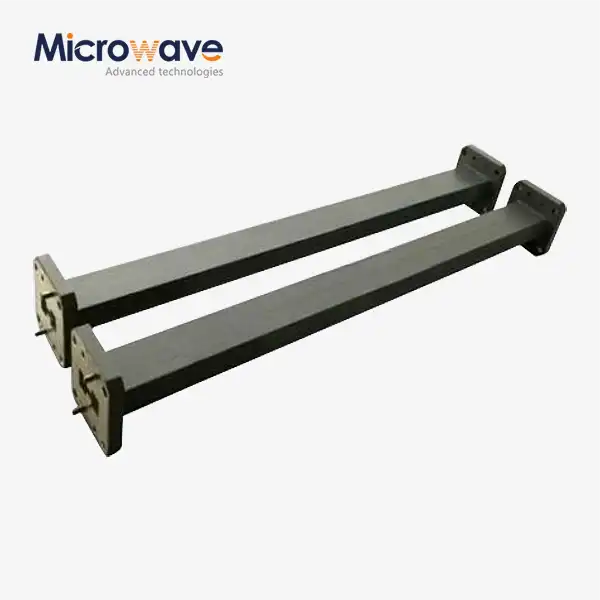 VIEW MOREDouble Ridge Straight Waveguide
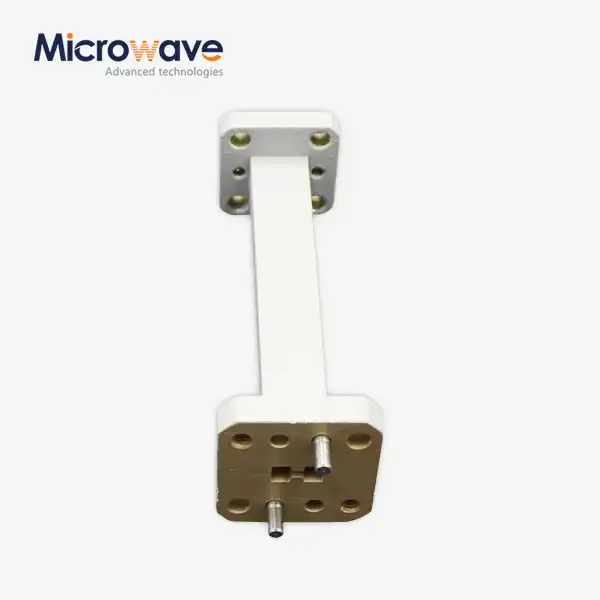 VIEW MOREDouble Ridge Waveguide Transition
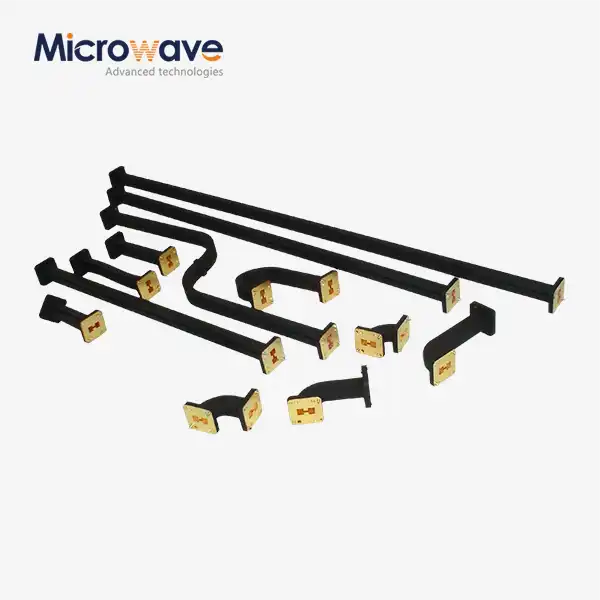 VIEW MOREDouble Ridged Flexible Waveguide
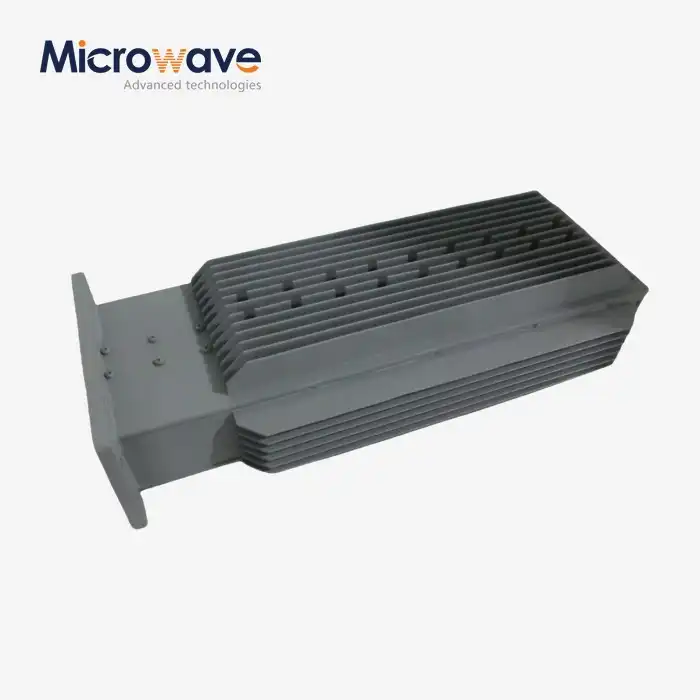 VIEW MOREDouble Ridge Waveguide Load
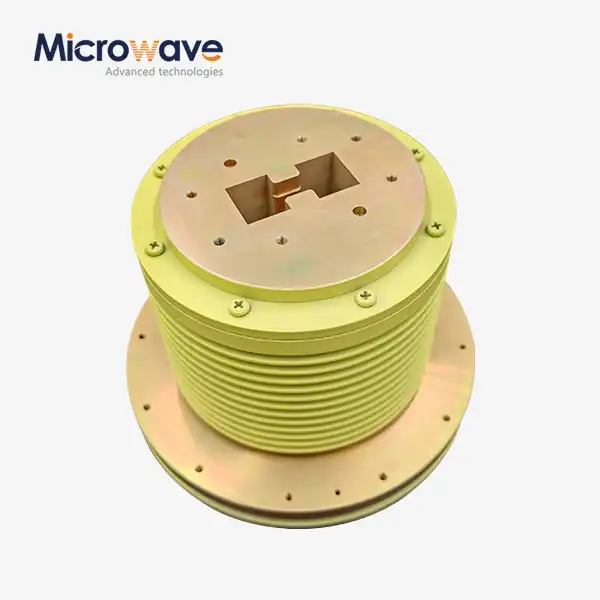 VIEW MOREDouble Ridge Waveguide Rotary Joint
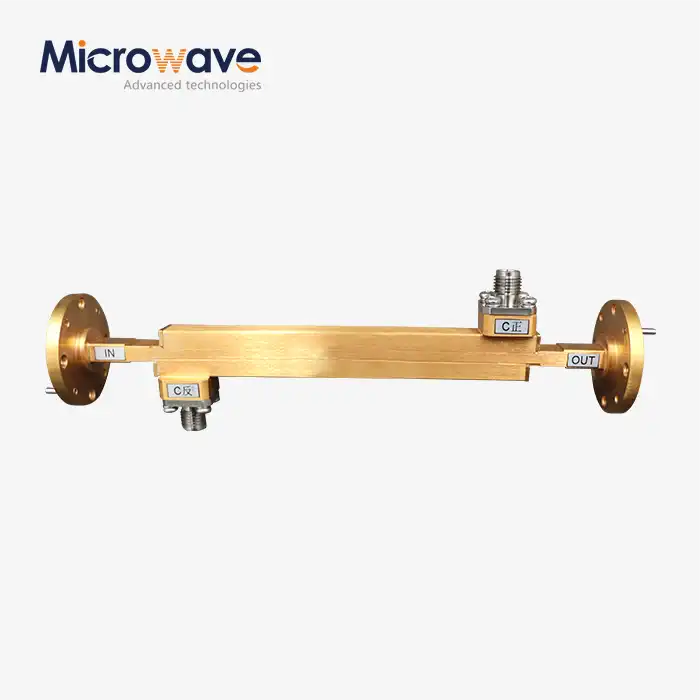 VIEW MOREDouble-Ridged Waveguide Broadwall Directional Coupler
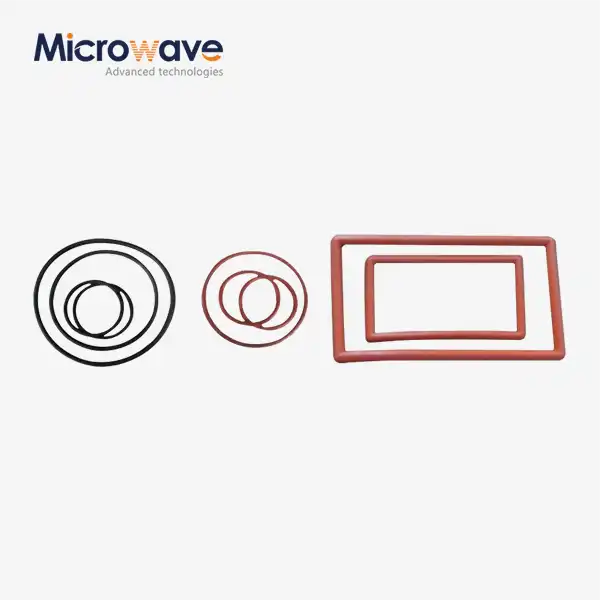 VIEW MOREWaveguide Flange Gasket
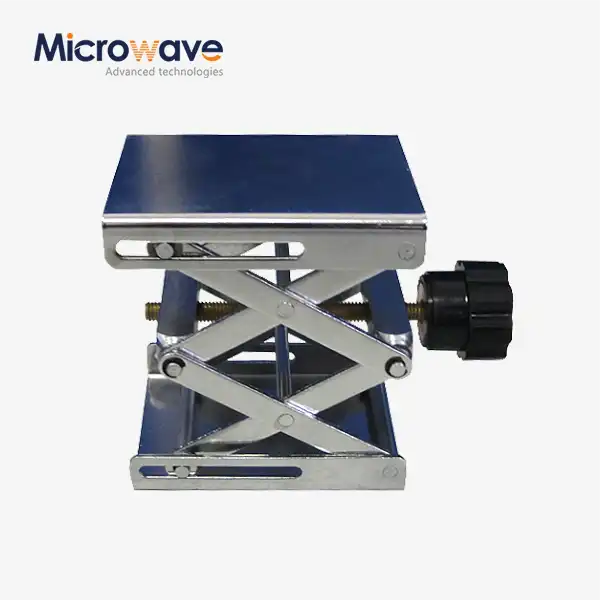 VIEW MOREWaveguide Adjustable Support