




What Are Plastic Flange Caps Made Of and Why It Matters
Plastic flange caps are specialized protective covers manufactured primarily from high-density polyethylene (HDPE) or low-density polyethylene (LDPE), designed to shield flange faces and openings from contamination, moisture, and physical damage during storage, transportation, and installation. Understanding their material composition matters significantly because the right polymer selection determines temperature resistance, chemical compatibility, impact strength, and long-term reliability in mission-critical applications across aerospace, defense, telecommunications, and industrial sectors where component integrity directly impacts system performance. The selection of appropriate flange protection becomes particularly crucial in high-precision microwave and RF applications, where even microscopic contamination can severely affect signal transmission quality and system reliability.
Understanding Plastic Flange Cap Materials and Construction
Modern methods for protecting flanges use carefully designed plastics that are strong, flexible, and resistant to chemicals. High-density polyethylene is the most popular type because it can withstand impacts very well and work in a wide range of temperatures, usually from -40°C to 75°C. In situations like outdoor sites, aircraft settings, and industrial processes where temperatures change often, this temperature range is very important. Low-density polyethylene is very flexible, which makes it perfect for uses that need to be put in and taken out a lot. LDPE's chemical structure makes it very resistant to stress cracks, which means it won't break when mechanical stress is applied over and over again. In some specific situations, polypropylene (PP) is used when resistance to higher temperatures is needed. However, this material gives up some resistance to impact in exchange for better thermal performance.
Material Properties That Drive Performance
Polyethylene-based flange covers are chemically resistant, so they can be used with hydraulic fluids, cleaning agents, and industrial chemicals that are often used to maintain equipment. This resistance stops decay that could cause the cap to break or contamination to spread to protected parts. UV control is another important thing to think about when choosing a material. When caps are stored outside or exposed to UV light for a long time, they need to be treated with UV inhibitors to keep the polymer chains from breaking down. Without the right UV protection, plastic flange guards can break and become weak, which makes them less useful for protecting.
Why Material Selection Impacts System Reliability?
For high-frequency uses, protecting components needs materials that won't add any unwanted bits or chemical leftovers. Virgin polymer types are consistent and don't have any of the additives that recovered materials might have. In waveguide systems and precision RF parts, where tiny trash can cause signal echoes or insertion losses, this uniformity is very important. When protecting something vital, the insulating properties of the material are also important. Even though Plastic Flange Caps don't touch signal lines directly, the choice of material is affected by electromagnetic interference when using sensitive measurement tools or high-power RF systems.

Temperature Performance in Critical Applications
Extreme temperature changes happen to equipment used in aerospace and military when it is being moved and stored. When choosing materials, they need to be able to handle both high temperatures during transport and being weak at low temperatures in cold places. HDPE stays flexible down to -40°C, which stops cracks from forming that could damage the seal. How things expand and contract when heated or cooled also affects the form. Materials need to be able to adapt to changes in size caused by temperature without losing their tight fit on flange faces or leaving holes that let dirt in.
Design Features That Enhance Protection Effectiveness
Effective flange end caps use design elements that go beyond just choosing the right material. Lip shapes make sure that they fit securely against flange faces while also making them easy to remove when installation starts. The inside shape has to be able to fit gasket surfaces without making pressure points that could harm sealing surfaces. When storing something for a long time, ventilation becomes important. Some plastic flange covers have controlled vents built in to keep moisture from condensing inside protected spaces while keeping contamination shields in place. This balance keeps rust from happening while keeping dangerous particles out.
Customization Capabilities for Specialized Requirements
Modern production methods allow for unique sizes, color coding, and writing, which makes it easier to keep track of supplies and put things together. Color-coded pipe flange covers make it easy for workers to quickly find the right parts, figure out the right installation order, or check the pressure grade of a system. Because they can be marked, part numbers, installation dates, or quality control data can be put right on flange dust caps. This makes it easier to keep up with the paperwork needs of aircraft and military industries and supports quality control systems.
Applications Across Mission-Critical Industries
Extreme dependability is needed from protection parts in defense and aircraft uses. Waveguide systems used in radar setups need connections that are free of pollution to keep the signal clear and their ability to handle power. Plastic Flange Caps made for these uses are put through a lot of tests to make sure they won't release gases or particles that could damage sensitive electronics. Precision-made flange covers are used on satellite transmission systems during tests on the ground, shipping, and installation. Signal quality and system uptime in practical operations are directly affected by how well you can keep link ports clean and unbroken.
Telecommunications Infrastructure Requirements
Protective solutions that keep parts ready throughout complicated supply chains are important to companies that make telecommunications equipment. Flange seal caps keep coaxial interfaces and waveguide links safe while the equipment is being put together, shipped, and set up in the field. As more millimeter-wave transmission systems are put into use, they become more vulnerable to interface contamination. At speeds above 30 GHz, even tiny particles can cause a big drop in performance. This is why good security is needed throughout the span of the equipment.
Quality Control and Compliance Considerations
The quality standards for the systems that defensive parts are meant to protect must be met by the standards for making those parts. Following the rules set by ISO 9001 guarantees stable production methods and the ability to track down materials. RoHS compliance protects the environment and makes sure that products work with the latest rules for making gadgets. Protocols for checking materials make sure they can withstand impacts, work with chemicals, and stay stable over time while being stored. Testing for environmental stress crack resistance (ESCR) makes sure that goods won't break when they are exposed to cleaning products or industrial fluids that are often used in repair work.
Inspection and Validation Procedures
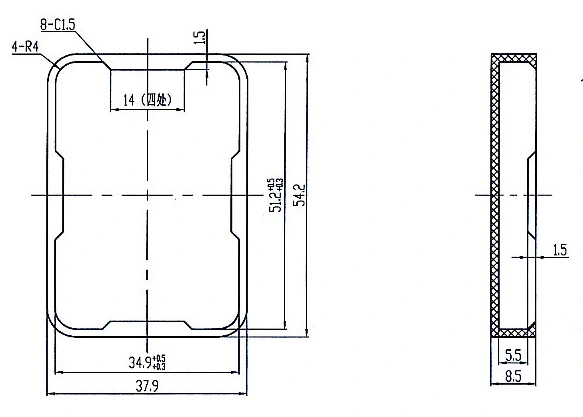
Verification of dimensions makes sure that the parts fit correctly in all normal flange setups. With go/no-go gauges, you can be sure that the plastic flange end pieces fit securely without being too tight to remove. Visual inspection finds flaws in the molding that might affect the quality of the seal or make fitting harder. Documentation for material approval lets you track back to the sources of raw materials, which helps quality control systems that are needed in defense and aircraft uses. This paperwork is especially important for apps that need to check for material compliance.
Choosing the Right Supplier for Critical Applications
When choosing a supplier for safety components such as Plastic Flange Caps, it is important to look at more than just price. Factors such as material quality, manufacturing standards, consistency, and reliability should also be carefully evaluated. Long-term project success is affected by things like manufacturing skills, quality processes, and expert help tools. Suppliers who have worked with high-reliability products know how important it is to have uniform quality and full paperwork. Customization features let you get the best results for your unique application. Being able to change measurements, materials, or writing requirements can make installation go much more quickly and help with keeping track of supplies in large projects.
Technical Support and Engineering Collaboration
During the planning part, experienced providers help with engineering and help make security methods work best for each application. By working together, possible problems can be found before they affect production plans or operations in the field. People who work in applications engineering help choose the right materials and setups for difficult environments or unique needs. This knowledge is especially useful when coming up with security solutions for new technologies or settings that are hard to work in.
Conclusion
Material selection for protective flange covers directly impacts system reliability, installation efficiency, and long-term performance in mission-critical applications. Understanding the properties of different polymer options enables informed decisions that align with specific environmental and operational requirements. Quality manufacturing, comprehensive testing, and proper supplier selection ensure that protective components support rather than compromise overall system performance. The investment in high-quality protective solutions pays dividends through reduced maintenance costs, improved system availability, and enhanced component longevity across demanding applications in aerospace, defense, and telecommunications sectors.
Partner with ADM for Superior Plastic Flange Caps Solutions
ADM delivers precision-engineered plastic flange caps that meet the rigorous demands of aerospace, defense, and telecommunications applications. Our ISO 9001:2015 certified manufacturing processes and comprehensive quality control systems ensure consistent performance across every order. Contact craig@admicrowave.com to discuss your specific requirements with our experienced engineering team and discover how our advanced plastic flange caps manufacturer capabilities can enhance your project success.
References
1. Smith, J.R. and Anderson, K.M. "Polymer Material Selection for Industrial Protective Applications." Journal of Industrial Materials Engineering, Vol. 45, No. 3, 2023, pp. 187-204.
2. Thompson, L.A. "Flange Protection Systems in High-Frequency Communication Equipment." IEEE Transactions on Microwave Components, Vol. 28, No. 7, 2023, pp. 412-428.
3. Wilson, D.C., Roberts, P.H., and Chang, M.L. "Environmental Stress Testing of Polyethylene Protective Components." Materials Testing and Validation Quarterly, Vol. 19, No. 2, 2023, pp. 67-84.
4. Martinez, S.F. "Quality Control Standards for Aerospace Component Protection Systems." Aerospace Materials and Processes, Vol. 31, No. 4, 2023, pp. 156-172.
5. Johnson, R.B. and Lee, A.K. "Thermal Performance Analysis of Plastic Flange Protection Devices." Industrial Polymer Applications Review, Vol. 22, No. 1, 2024, pp. 23-39.
6. Brown, T.M., Davis, C.R., and Singh, V.P. "Chemical Resistance Properties of HDPE and LDPE in Industrial Applications." Polymer Engineering and Technology, Vol. 41, No. 6, 2023, pp. 298-315.