





Coaxial Load Guide to RF Impedance Matching and System Stability
Understanding impedance matching and system stability in RF applications requires mastering the fundamentals of coaxial load technology. A coaxial load serves as the cornerstone for achieving optimal signal integrity by providing precise termination that minimizes reflections and maintains consistent transmission line characteristics. These precision components absorb excess RF energy while establishing the proper impedance environment necessary for reliable system performance across diverse microwave applications.
Understanding Impedance Fundamentals in RF Systems
Impedance matching represents one of the most important parts of RF engineering, directly impacting data transfer quality and total system performance. The idea revolves around ensuring that the characteristic impedance of communication lines fits the impedance of linked components, usually keeping a standard 50-ohm environment. When impedance mismatches occur, they cause reflection coefficient problems that appear as standing waves along the transmission line. These echoes can cause signal confusion, power loss, and possibly damage sensitive components like power amps. The voltage standing wave ratio (VSWR) acts as a key measure for measuring impedance matching efficiency, with lower numbers showing better matching performance. Transmission line theory shows that maximum power flow happens when source and end impedances are exactly matched. This theory becomes increasingly important at higher frequencies where even small differences can greatly impact system performance. Microwave engineering uses demand precise resistance control to keep signal integrity across wide frequency ranges. The link between reflecting coefficient and VSWR offers important insights into system behavior. A perfect match gives a reflection coefficient of zero and a VSWR of 1:1, while mismatches increase both values proportionally. Understanding these connections allows engineers to improve system designs for specific application needs.
The Role of Terminations in System Stability
Importance of Proper Termination in RF Systems
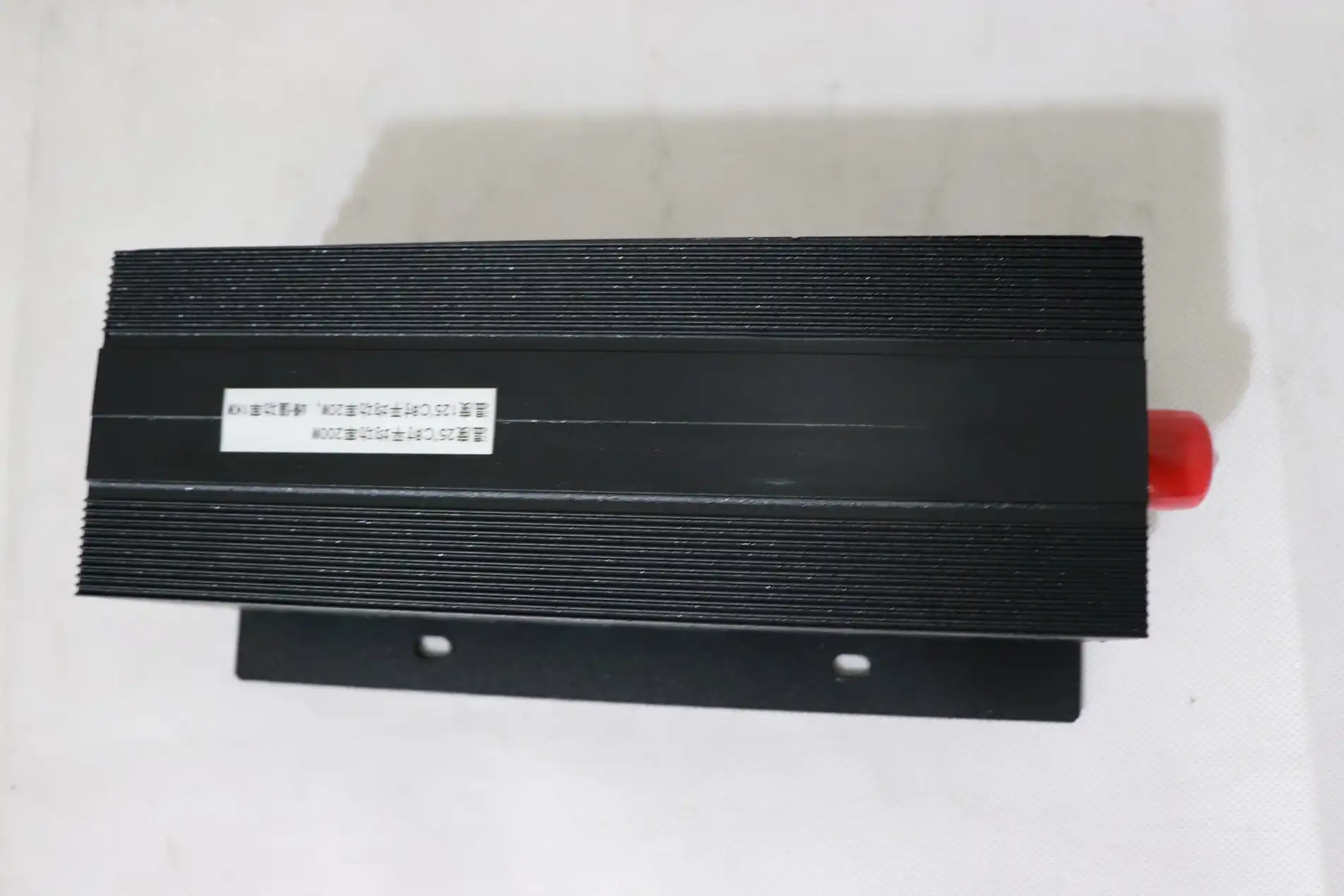
Proper termination using a Coaxial Load plays a vital role in keeping RF system stability by removing unwanted echoes that can cause instability, signal loss, and component damage. Terminations collect incoming power and turn it to heat, successfully stopping energy from bouncing back toward the source. System safety depends heavily on keeping uniform impedance conditions throughout the signal path. Unterminated ports or poorly terminated links can cause resonances that interfere with regular function. These problems become particularly troubling in complicated systems with multiple linked components.
Performance Characteristics of High-Quality Coaxial Loads
High-quality terminations provide great return loss qualities across defined frequency bands. Return loss data show how successfully a termination consumes incoming power, with higher values representing better performance. Professional-grade terminations usually achieve return loss values topping 20 dB across their working span. Temperature steadiness marks another important factor in ending success. Quality terminations keep uniform electrical properties across wide temperature ranges, ensuring effective function in challenging settings. This steadiness becomes important for aircraft, defense, and telecommunications uses where temperature changes are significant. Power handling skills determine the highest energy levels that terminations can safely take without damage. Applications involving high-power transmitters require terminations especially built for continuous wave and peak power levels experienced in operation.
Signal Integrity and Measurement Considerations
Key Factors Affecting RF Signal Integrity
Maintaining signal integrity requires careful attention to multiple factors that can affect RF performance throughout the system. Cable loss, connection contact quality, and insulator material qualities all add to total signal degradation and must be properly controlled. Network analyzer readings provide complete analysis of RF components using S-parameters that describe their electrical behavior. These data show insertion loss, return loss, and separation traits important for system design optimization. Calibration methods ensure measurement precision by setting known reference conditions. Quality terminations serve as testing standards, giving stable impedance guides for vector network testers and other test tools. These standards must remain very stable and easy to follow again and again.
Frequency Response, Noise Control, and Shielding Performance
How well parts work within their designated working areas is based on their frequency response properties. To keep the signal from getting messed up, terminations for broadband uses need to have a flat frequency response. Terminations that work best with certain frequency bands may be needed for certain uses. When using a sensitive detector, where any extra noise can hurt the system's performance, noise figure issues become important. High-quality terminations produce little noise while still offering good termination qualities. The efficiency of shielding keeps electromagnetic radiation that can damage signals at bay. Professional terminations have strong filtering designs that work well over a wide range of frequencies and provide solid mechanical links.
Advanced Applications in Defense and Aerospace
RF Performance Requirements in Defense and Military Systems
The most speed and dependability are needed from RF components in defense and military uses, making Coaxial Load solutions essential for maintaining stable signal transmission and protecting sensitive communication systems. It is very important for these mission-critical systems to work in harsh conditions and meet very specific signal transfer requirements that can't be missed. Target recognition and tracking are done very accurately by radar systems, which use complex feed networks and precise terminations. Performance standards for these uses are higher than most business ones, and parts must be able to keep up with those standards even when they are under a lot of stress from the surroundings. For satellite transmission systems to work effectively, their parts need to be able to handle the high temperature changes, radiation, and mechanical stress that come with being in space. Terminations used in these situations need to be very stable over a long period of time without the need for upkeep.
Signal Stability and Security in Navigation and Communication
Navigation systems depend on precise RF performance to tell them exactly where they are. Any signal loss or instability can make tracking less accurate, which could have very bad results. Signal security and resistance to jamming are especially important for military guidance uses. For communication security uses, you need parts that keep the purity of the signal and stop electromagnetic leaks that could damage security. Specialized terminations give the performance that's needed while also meeting strict standards for electromagnetic compatibility. For testing high-tech measuring and test tools used in defense and aircraft, reference-grade terminations are needed. To make sure that important RF components can be reliably characterized, these uses need the highest levels of accuracy and steadiness.
Industrial and Commercial Implementation Strategies
RF Applications in Telecommunications and Broadcasting
Industrial RF is used in many fields, such as radio, industrial robotics, and telecommunications. Each application has its own specific needs that affect the choice of components and the way the system is designed. Precision RF parts are needed in telecommunications systems to keep data quality high across complex distribution networks. For base station uses, terminations must be able to handle high amounts of power while still having low passive intermodulation qualities that are necessary for current cell systems. High-power terminations are used in broadcasting uses when testing and maintaining transmitters. These fake load applications let full-power testing happen without sending out signals, so they meet regulatory standards and make sure the transmitter works well.
Industrial, Research, and Quality Control Requirements
RF technologies are being used more and more in manufacturing systems for radio transmission and tracking. Components have to be able to handle harsh conditions like temperature changes, shaking, and electromagnetic interference that happen in industrial settings. For accurate component analysis and system creation, research and development labs need precision terminations. For these uses, measurements must be very accurate and repeatable so that study results can be trusted. Quality control steps make sure that Coaxial Load performance is the same from one production run to the next. Thorough testing procedures check the electrical and mechanical properties of each Coaxial Load before it is used in important RF and microwave projects.
Optimizing Performance Through Proper Selection
Key Technical Factors for Choosing Terminations
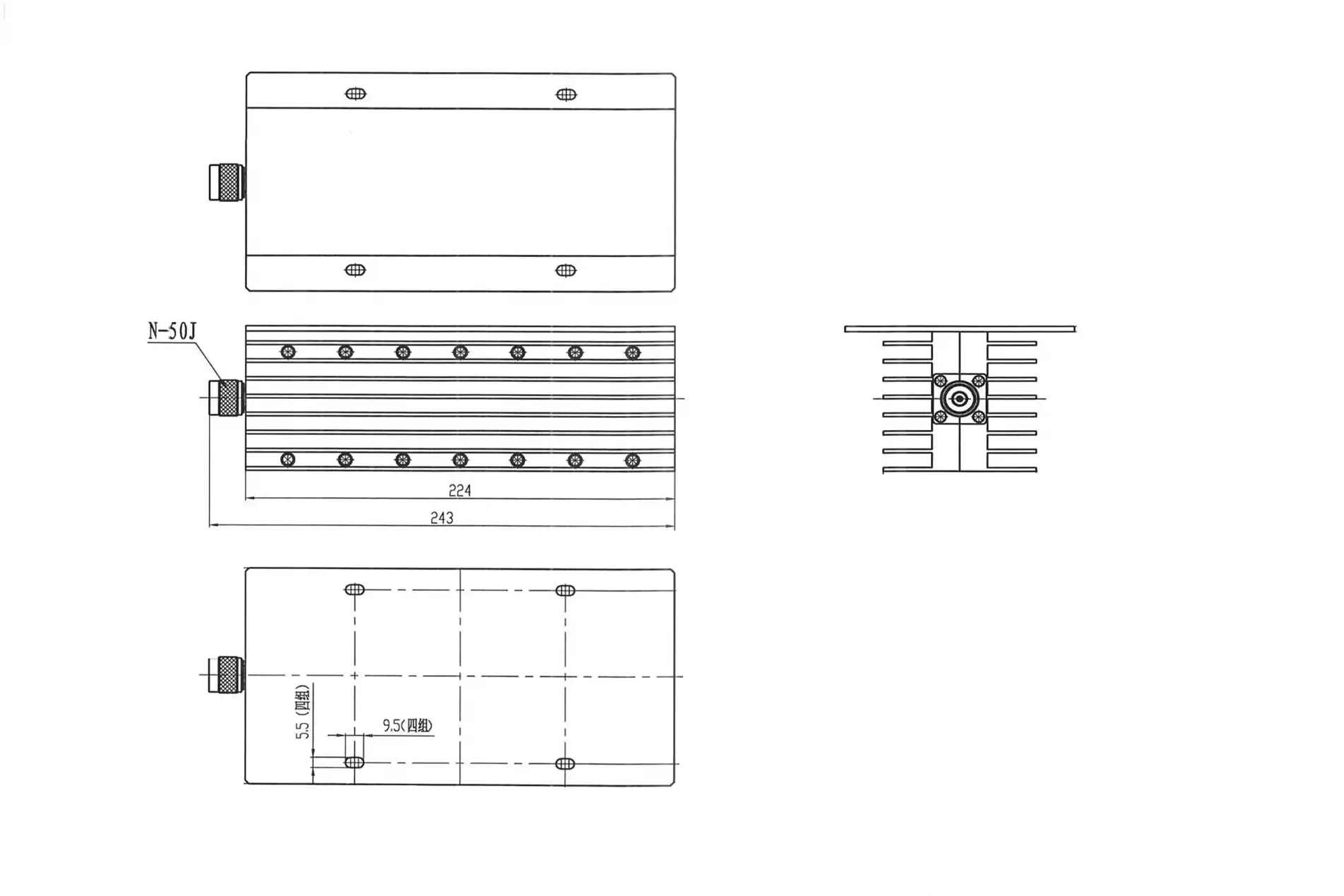
There are a lot of technical factors that need to be carefully thought through when choosing the right terminations. These include frequency range, power handling, connection type, and weather requirements. Understanding the needs of a particular application helps you choose the best components. The useful bandwidth for different uses is based on frequency range. Narrowband designs may work better for single-frequency uses, while broadband designs give you more options for systems that use more than one frequency. Power handling requirements must match or go beyond the highest amounts of power that will be used. It's important to think about both the continuous wave and peak power levels, especially for pulsed systems like radars. Connector compatibility makes sure that new parts can work with old ones mechanically and electrically. Standard connection types work with a lot of different devices, while unique connectors may work better in some situations.
Environmental, Physical, and Certification Considerations
Environmental standards spell out the situations that parts must be able to work in. Different uses have very different needs when it comes to temperature range, dampness, shaking, and shock. These needs must be properly handled. Component selection for uses with limited room is affected by physical factors such as size, weight, and installation needs. Miniaturized designs make it possible to fit them into small devices without lowering their performance. Different applications and industries have different certification needs. In some cases, military standards, telecoms standards, and safety licenses may be needed.
Conclusion
Achieving optimal RF system performance requires thorough understanding of impedance matching principles and careful selection of high-quality termination components. Proper implementation of coaxial load technology ensures signal integrity, system stability, and reliable operation across diverse applications. The complex requirements of modern RF systems demand precision components that maintain specifications under challenging operating conditions. Success in these applications depends on partnering with experienced manufacturers who understand the critical importance of quality, reliability, and technical excellence in mission-critical RF components.
Partner with ADM for Superior Coaxial Load Solutions
Advanced Microwave Technologies delivers industry-leading coaxial load solutions backed by over two decades of microwave engineering expertise. Our comprehensive product portfolio serves demanding applications across defense, aerospace, telecommunications, and research sectors with ISO 9001:2008 certified quality and RoHS compliance. Contact our technical team at craig@admicrowave.com to discuss your specific requirements and discover why leading organizations choose ADM as their trusted coaxial load supplier for mission-critical RF applications.
References
1. Pozar, David M. "Microwave Engineering: Impedance Matching and Transmission Line Theory." 4th Edition, John Wiley & Sons, 2021.
2. Ludwig, Reinhold and Gene Bogdanov. "RF Circuit Design: Theory and Applications in Coaxial Load Systems." 3rd Edition, Pearson Education, 2020.
3. Bahl, Inder J. "Fundamentals of RF and Microwave Transistor Amplifiers: Load Termination and Stability Analysis." IEEE Microwave Magazine, Volume 15, Issue 3, 2019.
4. Chen, Zhi Ning and Michael Y. W. Chia. "Broadband Planar Antennas: Design and Applications with Coaxial Load Integration." John Wiley & Sons, 2022.
5. Vendelin, George D., Anthony M. Pavio, and Ulrich L. Rohde. "Microwave Circuit Design Using Linear and Nonlinear Techniques: Advanced Termination Methods." 2nd Edition, John Wiley & Sons, 2020.
6. Hickman, Ian. "Practical RF Handbook: Impedance Matching and Load Optimization Strategies." 4th Edition, Newnes Technical Books, 2021.
YOU MAY LIKE
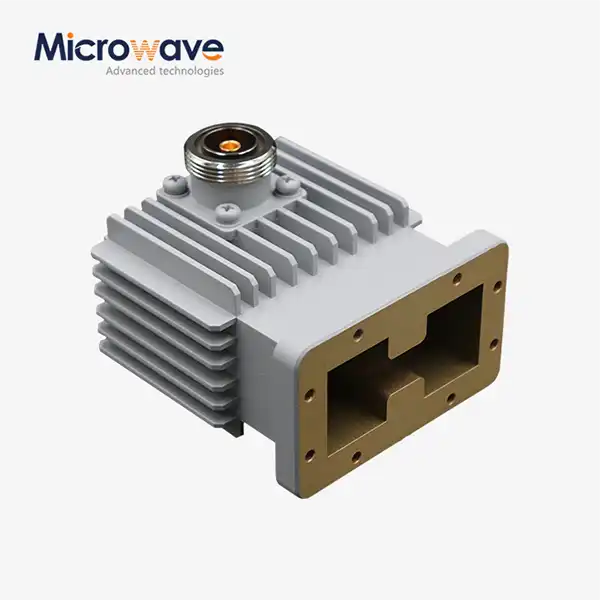 VIEW MOREHigh Power Waveguide to Coaxial Adapter
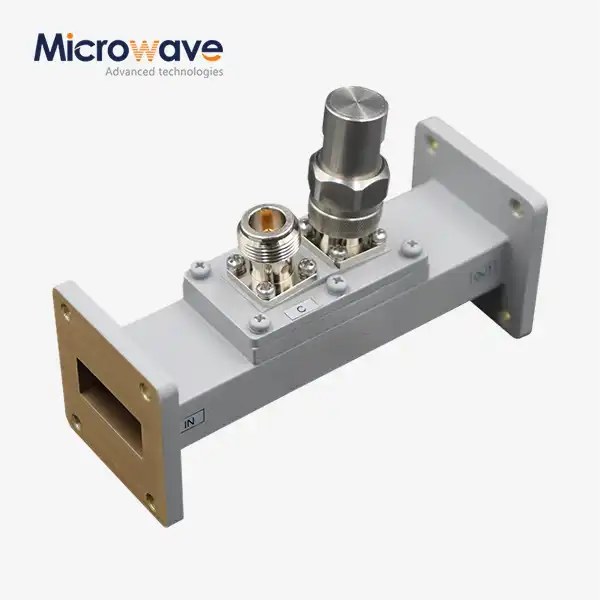 VIEW MOREWaveguide Loop Coupler
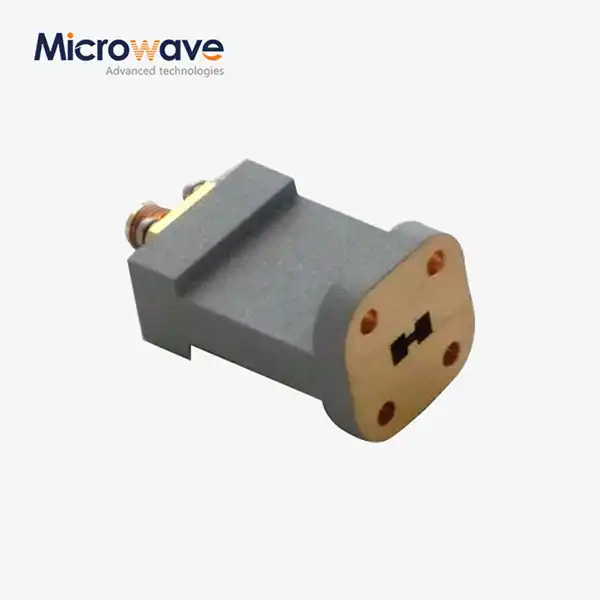 VIEW MOREEnd Launch Double Ridged WG To Coaxial Adapter
 VIEW MOREEnd Launch Waveguide to Microstrip Adapter
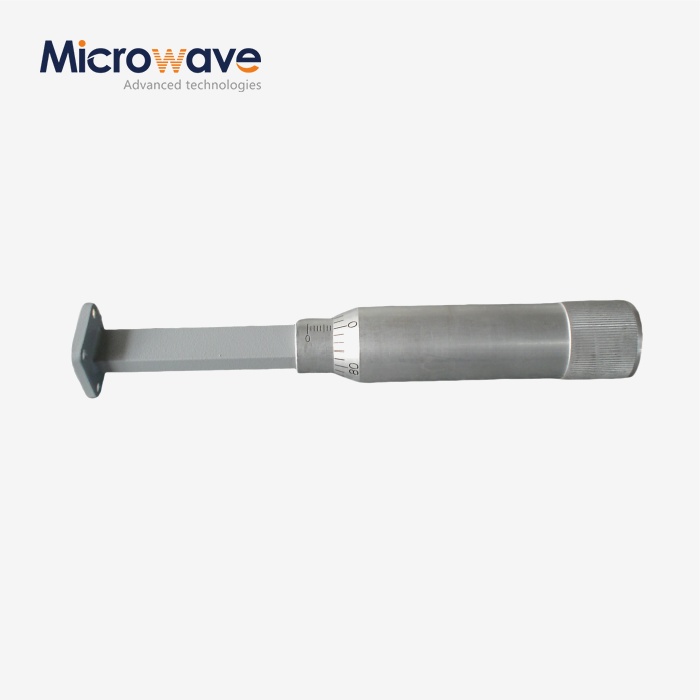 VIEW MOREWaveguide Sliding Termination
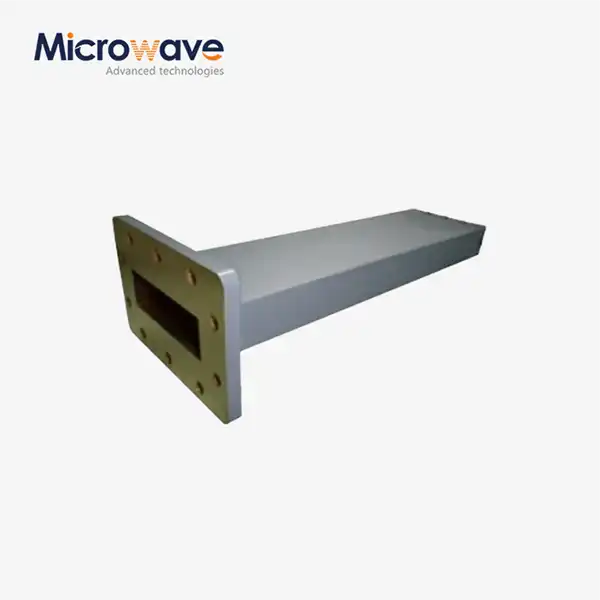 VIEW MOREWaveguide Unmatched Termination
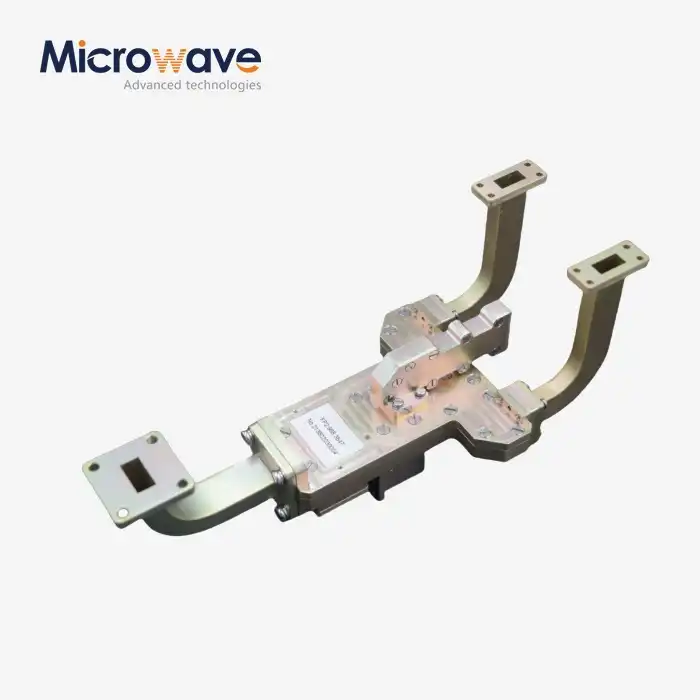 VIEW MOREMagic Hybrid Tee
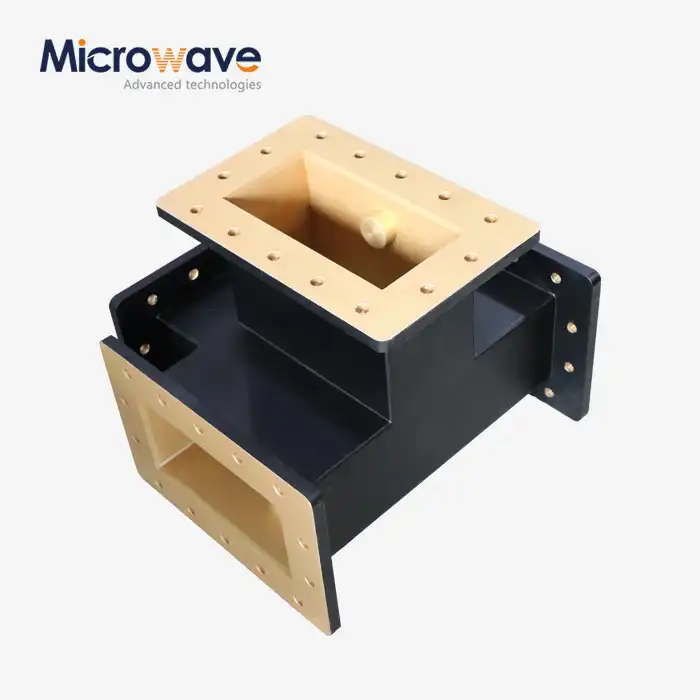 VIEW MOREH-Plane Tee