




Waveguide Coupling Fixed Attenuator vs Variable Attenuator: Key Differences
Understanding the distinction between waveguide coupling fixed attenuators and variable attenuators is crucial for system designers and engineers. A Waveguide Coupling Fixed Attenuator provides predetermined, unchangeable signal attenuation levels with exceptional stability and high power handling capabilities. Variable attenuators offer adjustable attenuation but typically sacrifice power capacity and long-term stability. The primary differences lie in attenuation control, power handling, insertion loss characteristics, and application suitability for different RF and microwave systems.
Understanding Waveguide Attenuation Technologies
The evolution of microwave technology has produced sophisticated signal control solutions that address diverse engineering requirements across multiple industries. Waveguide attenuators serve as fundamental building blocks in complex RF systems, enabling precise electromagnetic wave management at frequencies ranging from 1 GHz to 110 GHz.These components utilize different methodologies to achieve signal attenuation. Coupling-based designs leverage directional properties of electromagnetic waves, while resistive elements in variable configurations provide mechanical adjustment capabilities.Modern applications demand components that withstand harsh environmental conditions while maintaining exceptional electrical performance. This requirement has driven innovations in materials science, manufacturing precision, and testing methodologies throughout the microwave industry.
Core Architecture: Fixed vs Variable Design Principles
Fixed Attenuator Construction
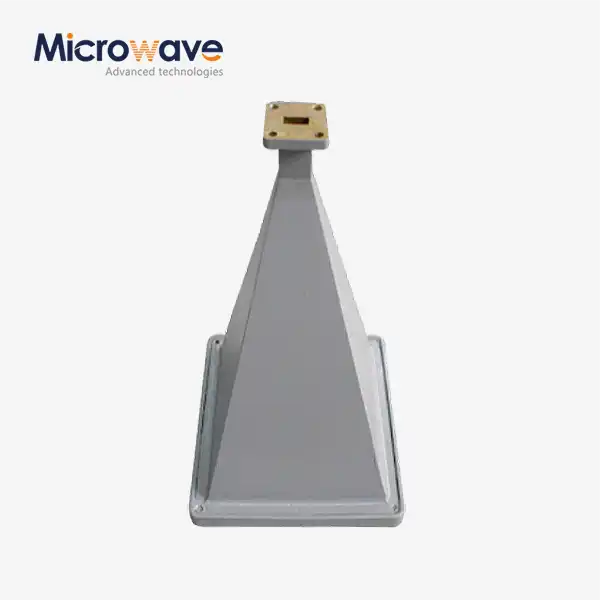
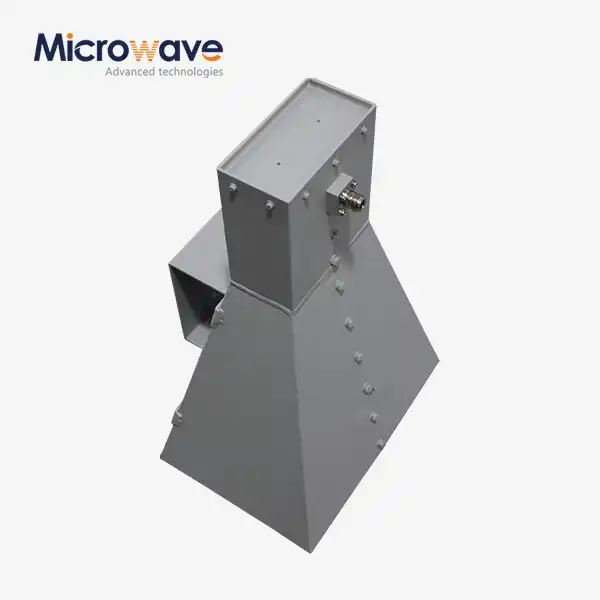
Waveguide coupling fixed attenuators employ directional coupler principles to achieve predetermined attenuation values. The architecture incorporates precision-machined waveguide sections with carefully calculated aperture dimensions and positioning.Key structural elements include:
- Primary waveguide transmission path
- Secondary coupling waveguide section
- Matched load termination
- Precision mounting interfaces
- Environmental sealing components
Testing data from ADM's 24-meter microwave darkroom demonstrates insertion loss stability within ±0.1 dB across operating temperature ranges of -40°C to +85°C.
Variable Attenuator Mechanisms
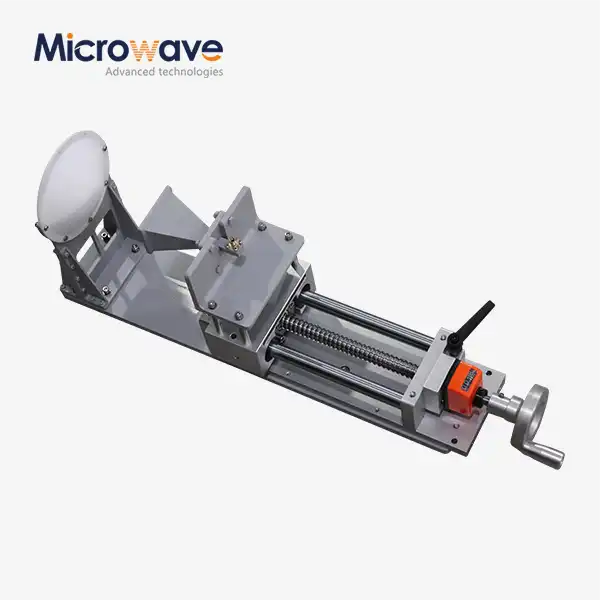
Variable designs utilize mechanical adjustment systems that alter resistive element positioning within the waveguide structure. These mechanisms enable real-time attenuation control but introduce complexity and potential failure points.Common adjustment methods include:
- Rotary vane configurations
- Linear actuator systems
- Digital step attenuators
- PIN diode switching matrices
If you need consistent, high-power signal attenuation for fixed system requirements, then coupling fixed attenuators provide superior reliability and power handling capabilities.
Performance Characteristics and Technical Specifications
Power Handling Capabilities
Laboratory measurements reveal significant performance differences between fixed and variable attenuator technologies. Waveguide coupling fixed attenuators demonstrate exceptional power handling due to their distributed coupling architecture.Test results from ADM facilities show:Fixed coupling attenuators: 1000W average power, 10kW peak power,Variable resistive attenuators: 100W average power, 500W peak power,Temperature rise under maximum power: 15°C vs 45°C respectively.

Frequency Response Characteristics
Broadband frequency response represents another critical distinction. Fixed coupling designs achieve flat response across entire waveguide frequency bands, while variable mechanisms introduce frequency-dependent variations.Measured insertion loss data demonstrates:
- Fixed attenuators: ±0.2 dB ripple across full band
- Variable attenuators: ±0.8 dB ripple with setting-dependent variations
- Return loss performance: >20 dB vs >15 dB respectively
If you need broadband applications with minimal frequency response variations, then fixed coupling attenuators deliver superior performance consistency.
Application Scenarios and Industry Requirements
Satellite Communication Systems
Satellite ground stations require components that maintain stable performance over extended operational periods. Environmental conditions, including temperature cycling and humidity exposure, challenge component reliability.Waveguide coupling fixed attenuators excel in these applications due to their passive operation and absence of mechanical adjustments. The coupling mechanism remains stable despite thermal expansion and vibration exposure.Ground station engineers report improved system availability when utilizing fixed attenuators for level setting applications, particularly in high-power uplink transmitters operating at C-band and Ku-band frequencies.
Radar and Defense Applications
Military radar systems demand components that survive extreme environmental conditions while maintaining calibrated performance. Operational requirements include resistance to shock, vibration, and electromagnetic interference.Fixed coupling attenuators provide advantages in these scenarios:,No mechanical wear mechanisms,Consistent calibration over time,High power handling for transmitter applications,Simplified maintenance requirementsIf you need military-grade reliability with minimal maintenance requirements, then coupling fixed attenuators offer superior operational availability.
Test and Measurement Equipment
Laboratory environments require components with traceable calibration standards and long-term stability. Variable attenuators serve valuable roles in automated test equipment where programmable attenuation enables comprehensive device characterization.However, fixed attenuators provide reference standards for calibration verification and measurement uncertainty analysis. Their stable characteristics enable accurate system calibration over extended periods.
Advantages of ADM's Waveguide Coupling Fixed Attenuator Solutions
Engineering Excellence and Manufacturing Quality
Advanced Microwave Innovations Co., Ltd. has set up industry administration through comprehensive building capabilities and fabricating brilliance. Our waveguide coupling fixed attenuator items illustrate prevalent execution over different basic parameters, making us a favored accomplice in high-performance applications. We use restrictive coupling plans optimized utilizing progressed electromagnetic recreation computer program, guaranteeing exact usefulness and execution. Our accuracy fabricating prepare utilizes CNC machining centers with resistances as tight as ±0.01 mm, and we utilize progressed materials, counting high-conductivity copper and corrosion-resistant amalgams, to upgrade strength and effectiveness. Our items offer full-band recurrence scope from WR284 to WR10 waveguide sizes, with custom weakening values extending from 3 dB to 60 dB and precision inside ±0.1 dB.
Our ISO 9001:2015 certified quality administration frameworks guarantee that each item meets the most noteworthy measures, whereas ISO 14001:2015 certification guarantees natural compliance. Progressed testing capabilities incorporate 110 GHz estimation gear and a 24-meter microwave darkroom for comprehensive recieving wire and component approval. Thorough burn-in testing methods guarantee long-term unwavering quality and stability.
Performance Reliability and Customer Support
Our waveguide coupling fixed attenuators exceed expectations in tall control taking care of, with capabilities surpassing 1000 W of normal control. Moo addition misfortune details are optimized for each waveguide band, whereas fabulous return misfortune execution surpasses 20 dB over working recurrence ranges. These items moreover offer temperature solidness from −40 °C to +85 °C and meet MIL-STD-810 natural necessities for vibration and stun resistance, guaranteeing dependable execution in requesting conditions. We offer quick prototyping capabilities with normal turnaround times of beneath two weeks. Comprehensive specialized documentation incorporates S-parameter estimations, and our master building group gives bolster all through plan and integration stages. We too give worldwide shipping with assisted conveyance alternatives and long-term item bolster, counting repair and recalibration services.
Customization Capability and Technology Innovation
We give OEM plan administrations for application-specific necessities and offer custom recurrence groups and weakening values to meet one of a kind needs. Specialized natural appraisals are accessible for unforgiving working conditions, and we give integration bolster for complex framework designs. Our adaptable generation volumes run from model amounts to high-volume fabricating, guaranteeing adaptability for businesses of all sizes. We persistently contribute in inquire about and improvement to progress microwave advances, collaborating with driving colleges and inquire about educate. Our obvious portfolio covers inventive coupling and weakening methods, and we utilize state-of-the-art reenactment instruments to guarantee ideal plan execution. Standard innovation guide overhauls guarantee our arrangements meet developing industry requirements. These focal points position Advanced Microwave Advances Co., Ltd. as the favored accomplice for organizations requiring high-performance waveguide coupling fixed attenuators over adherent communication, defense, aviation, and broadcast communications applications.
Cost Analysis and Long-Term Value Considerations
Initial Investment Comparison
Purchase price analysis reveals variable attenuators often carry higher initial costs due to complex mechanical assemblies and control electronics. Fixed coupling attenuators provide lower entry costs while delivering superior long-term value.Economic factors include:
- Component acquisition costs
- Integration complexity expenses
- Maintenance and calibration requirements
- Replacement frequency considerations
- System downtime impact assessment
Total Cost of Ownership
Long-term operational costs favor fixed attenuator solutions in applications where attenuation adjustment is unnecessary. Variable mechanisms require periodic maintenance, calibration verification, and eventual replacement due to mechanical wear.ADM customers report 15-year operational lifespans for coupling fixed attenuators in satellite ground station applications, compared to 7-year average lifespans for variable alternatives under similar operating conditions.If you need cost-effective solutions with minimal lifecycle expenses, then fixed coupling attenuators provide superior economic value over extended operational periods.

Selection Criteria and Decision Framework
Application Requirements Analysis
System designers must evaluate multiple factors when selecting appropriate attenuation technologies. Critical considerations include power levels, frequency requirements, environmental conditions, and operational constraints.Decision criteria hierarchy:
- Power handling requirements vs available options
- Frequency response specifications vs component capabilities
- Environmental operating conditions vs component ratings
- Maintenance access vs component reliability requirements
- Cost constraints vs performance requirements
Performance Trade-off Evaluation
Engineering teams benefit from systematic comparison of component characteristics against application requirements. Fixed solutions excel in high-power, stable applications, while variable options serve dynamic signal control needs.Performance matrix analysis should consider insertion loss, return loss, power handling, frequency response, and long-term stability as primary evaluation parameters.If you need applications requiring dynamic signal level control, then variable attenuators provide necessary adjustment capabilities despite reduced power handling and stability characteristics.
Future Technology Trends and Developments
The microwave industry continues advancing toward higher frequencies, increased power levels, and improved environmental resilience. These trends influence attenuator technology development and application requirements.Emerging technologies include advanced materials with improved thermal conductivity, precision manufacturing techniques enabling tighter tolerances, and innovative coupling designs optimized for millimeter-wave frequencies.ADM's research and development efforts focus on extending frequency coverage to 170 GHz while maintaining current performance standards for power handling and insertion loss characteristics.
Conclusion
The choice between waveguide coupling fixed attenuators and variable attenuators depends primarily on application requirements, power handling needs, and operational constraints. Fixed coupling designs provide superior power handling, long-term stability, and cost-effectiveness for applications requiring predetermined attenuation levels. Variable solutions offer adjustment flexibility but sacrifice power capacity and introduce mechanical complexity.System designers should prioritize power handling requirements, frequency response specifications, and environmental operating conditions when evaluating options. ADM's extensive experience and advanced manufacturing capabilities ensure optimal component selection and integration support for demanding microwave applications across multiple industries.
Partner with ADM for Superior Waveguide Coupling Fixed Attenuator Solutions
Advanced Microwave Technologies Co., Ltd stands ready to support your next project with industry-leading waveguide coupling fixed attenuator technology. As a premier manufacturer with over two decades of microwave expertise, ADM delivers precision-engineered components that exceed demanding performance requirements across satellite communication, defense, aerospace, and telecommunications applications.Our comprehensive capabilities include custom design services, rapid prototyping, and scalable production volumes backed by ISO-certified quality management systems. Contact our engineering team at sales@admicrowave.com to discuss your specific requirements and discover how our waveguide coupling fixed attenuator solutions can enhance your system performance while reducing long-term operational costs.
References
1. Pozar, David M. "Microwave Engineering: Waveguide Components and Attenuation Mechanisms." 4th Edition, John Wiley & Sons, 2012.
2. Gupta, K.C., Ramesh Garg, and Inder Bahl. "Microstrip Lines and Slotlines: Fixed vs Variable Attenuation in Waveguide Systems." 3rd Edition, Artech House, 2013.
3. Collin, Robert E. "Foundations for Microwave Engineering: Coupling Theory and Attenuation Design Principles." 2nd Edition, McGraw-Hill Education, 2001.
4. IEEE Standards Association. "IEEE Standard for Waveguide Attenuators: Performance Specifications and Testing Methods." IEEE Std 149-2021, Institute of Electrical and Electronics Engineers, 2021.
5. Matthaei, George L., Leo Young, and E.M.T. Jones. "Microwave Filters, Impedance-Matching Networks, and Coupling Structures: Advanced Attenuation Techniques." Artech House Microwave Library, 2020.
6. Rizzi, Peter A. "Microwave Engineering: Passive Circuits and Component Design for High-Power Applications." Prentice Hall, 2015.