





BLOG
5 Applications where adding attenuation is a plus
November 13, 2025
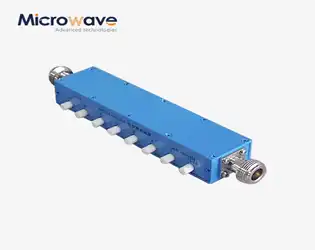
In RF and microwave systems, engineers constantly battle signal distortion, equipment overload, and impedance mismatches that compromise system performance and damage expensive components. When high-power transmitters overwhelm sensitive receivers or when reflected signals corrupt measurement accuracy, the solution often involves deliberately reducing signal strength through controlled attenuation. A Coaxial Variable Attenuator serves as a precision tool that not only protects equipment but also optimizes system performance across telecommunications, aerospace, defense, and testing environments where signal power management determines success or failure.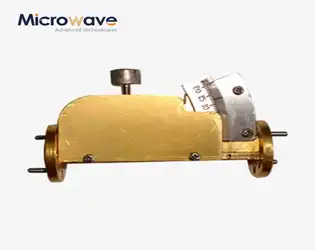
Waveguide variable attenuator suitable for electromechanical control
November 13, 2025
Picture this scenario: You're running a critical satellite communication test at 110 GHz, and your signal levels are fluctuating unpredictably. Manual adjustments take too long, causing test delays and potential equipment damage from signal overload. Your measurement system demands precise, repeatable attenuation control, but traditional manual attenuators can't keep pace with automated testing requirements. This is where a Waveguide Variable Attenuator designed for electromechanical control becomes indispensable. These advanced components bridge the gap between manual precision and automated efficiency, offering engineers the exact signal control they need for modern high-frequency applications while maintaining the repeatability and speed essential for contemporary test environments.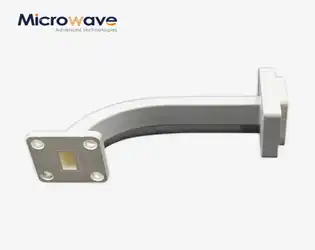
The Ultimate Guide: Understanding Waveguide E Bend Dimensions, Types, and Performance
November 12, 2025
Picture this: You're integrating a critical satellite communication system or aerospace radar installation, and suddenly your waveguide routing hits a wall—literally. The flanges won't align, signal integrity is compromised, and the entire project timeline is at risk. This scenario haunts countless RF engineers who underestimate the complexity of waveguide E bend selection. The Ultimate Guide: Understanding Waveguide E Bend Dimensions, Types, and Performance delivers comprehensive insights into choosing, specifying, and implementing Waveguide E Bend solutions that guarantee reliable signal transmission while meeting the demanding requirements of modern microwave systems across satellite communications, defense, aerospace, and telecommunications infrastructure.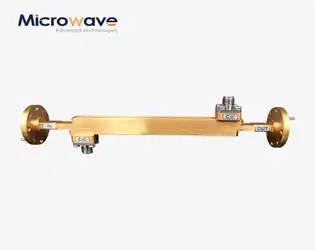
Waveguide Couplers for Precise Design Needs
November 12, 2025
In high-frequency microwave systems, signal integrity can deteriorate rapidly without proper coupling mechanisms, leading to power loss, interference, and compromised system performance. Engineers designing satellite ground stations, radar installations, and defense communication networks face mounting pressure to achieve precise power distribution while maintaining signal quality across broad frequency ranges. The Double-Ridged Waveguide Broadwall Directional Coupler emerges as a critical solution, addressing these challenges through specialized structural design that enables controlled electromagnetic wave coupling with minimal insertion loss and maximum directivity.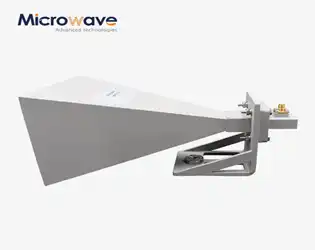
Standard Horn Antenna: Maximize Your Calibration Accuracy in One Choice
November 12, 2025
Picture this: You're in the middle of a critical antenna measurement session, racing against deadlines, and your calibration reference antenna delivers inconsistent readings. Your entire test campaign grinds to a halt, costing time, money, and credibility. This nightmare scenario is exactly why engineers worldwide trust the Standard Horn Antenna as their go-to calibration solution. With its predictable radiation patterns, stable gain characteristics, and proven reliability across frequency ranges from 1 GHz to 110 GHz, the Standard Horn Antenna eliminates measurement uncertainty and delivers repeatable results every single time. Whether you're calibrating satellite ground station equipment, validating radar system performance, or conducting precision electromagnetic compatibility testing, choosing the right Standard Horn Antenna means the difference between compromised data and measurements you can stake your reputation on.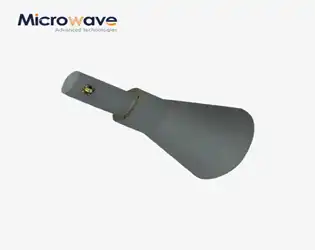
November 11, 2025
In satellite ground stations and radar installations worldwide, signal degradation from polarization misalignment costs operators thousands in lost data throughput daily. When choosing between circular and linear polarization technologies, understanding the fundamental differences between a Ladder Membrane Conical Dual Circular Polarization Horn Antenna and traditional linear solutions directly impacts system reliability, interference resistance, and long-term operational costs. This comprehensive guide breaks down critical technical distinctions that procurement teams, system engineers, and project managers must evaluate before committing to antenna infrastructure investments.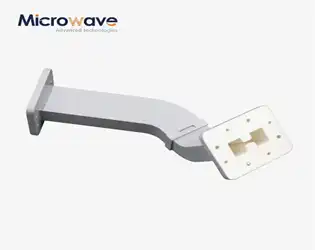
Double-Ridge Waveguide for Commercial Airlines Weather Radar Installation
November 11, 2025
Every commercial airline faces the critical challenge of navigating through severe weather conditions while maintaining passenger safety and operational efficiency. Weather radar systems are the lifeline of aviation safety, but traditional rectangular waveguides often fall short when aircraft need to accommodate both C-band and X-band frequencies in a single installation. The Double Ridge Waveguide Bend emerges as the solution to this pressing problem, enabling airlines to integrate versatile weather penetration radar systems without costly dual-waveguide installations. This article explores how double-ridge waveguide technology revolutionizes commercial aviation weather radar installations, delivering reliable signal transmission across multiple frequency bands while reducing installation complexity and maintenance overhead.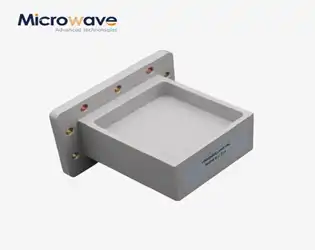
China Customized OEM Bulk Custom Waveguide to Coaxial Adapter
November 11, 2025
When your satellite communication system experiences signal degradation or your radar installation faces impedance mismatches between waveguide and coaxial transmission lines, the solution lies in precision-engineered Custom Waveguide to Coaxial Adapters. These critical components bridge the gap between different transmission media, ensuring seamless signal transition in microwave and RF systems where every decibel of insertion loss matters and every VSWR point impacts system performance.