





BLOG
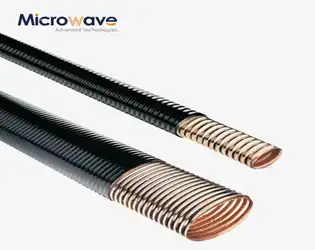
Elliptical WG vs Rectangular: Flexibility and Loss Comparison
March 27, 2026
When choosing between elliptical and rectangular waveguide configurations, engineers face critical decisions affecting system performance and flexibility. Elliptical WG designs typically offer superior mechanical bendability and compact installation profiles compared to rectangular alternatives. While rectangular waveguides provide standardized dimensions and predictable loss characteristics, elliptical configurations excel in space-constrained applications where routing flexibility matters most. The choice depends on specific application requirements, installation constraints, and acceptable loss tolerances across your operating frequency range.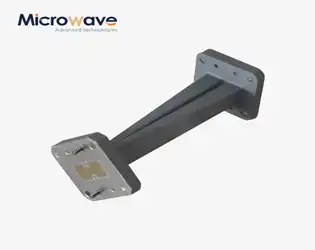
Double Ridge Twist Waveguide Benefits for Broadband RF Systems
March 27, 2026
Double Ridge Twist Waveguide components deliver exceptional performance benefits for broadband RF systems by combining enhanced bandwidth capabilities with precise polarization control. These specialized microwave transmission components integrate double ridge geometry with twist functionality, enabling multi-octave frequency coverage typically spanning 2.4:1 to 3.6:1 bandwidth ratios while maintaining superior signal integrity across demanding RF applications in aerospace, defense, and telecommunications sectors.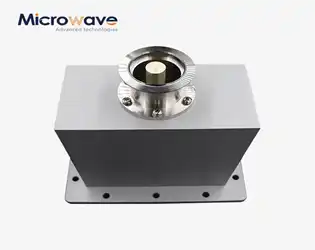
Top End Launch Waveguide to Coaxial Adapter Uses in RF
March 26, 2026
The End Launch Waveguide to Coaxial Adapter serves as a critical RF transition component, enabling seamless signal conversion between rectangular waveguide systems and coaxial transmission lines. These adapters facilitate high-frequency signal transfer in telecommunications infrastructure, satellite communications, radar systems, and aerospace applications. The end launch configuration provides superior electrical performance with minimal insertion loss and excellent impedance matching across wide frequency ranges. RF engineers rely on these adapters for network analyzer measurements, antenna testing, and system integration where precise signal integrity matters most.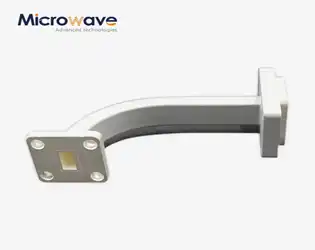
Waveguide E Bend Features That Improve Signal Integrity
March 26, 2026
Waveguide E Bend components represent critical elements in modern RF and microwave systems, engineered specifically to maintain exceptional signal integrity while efficiently redirecting electromagnetic waves. These precision-manufactured bends minimize signal loss and interference through advanced design principles, ensuring reliable high-frequency transmission across demanding applications. From 5G telecommunications infrastructure to aerospace radar systems, selecting the optimal E bend configuration directly impacts system performance, making understanding their signal-preserving characteristics essential for procurement decisions in mission-critical applications.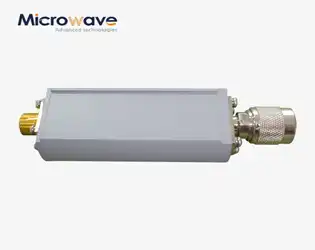
Coaxial Detector vs RF Power Meter: What’s the Difference?
March 26, 2026
When choosing between a coaxial detector and an RF power meter for signal measurement applications, the fundamental difference lies in their measurement approach and output characteristics. A coaxial detector converts RF signals directly into DC voltage outputs for real-time monitoring, while RF power meters provide comprehensive power measurements with digital displays and advanced analysis capabilities. Understanding these distinctions helps procurement engineers select the optimal solution for aerospace, defense, and telecommunications applications where precision signal processing and measurement accuracy remain paramount.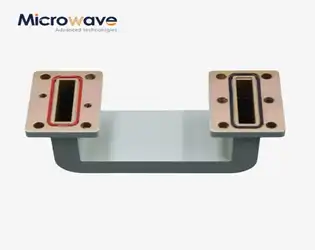
Double-bend Waveguide vs Single Bend: Key Performance Differences
March 25, 2026
When evaluating waveguide configurations for demanding microwave applications, understanding the performance distinctions between double-bend and single-bend designs becomes critical for system optimization. Double-bend waveguides consistently outperform single-bend alternatives in reflection reduction, signal integrity preservation, and compact routing capabilities. The dual-bend architecture minimizes impedance discontinuities while enabling superior signal control in space-constrained environments. Single-bend configurations, while simpler and more cost-effective, typically exhibit higher insertion losses and increased reflection coefficients, making them less suitable for precision applications requiring exceptional electromagnetic performance.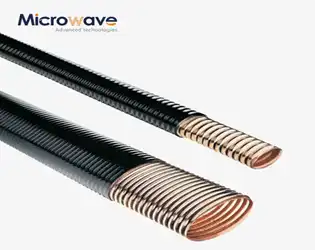
Top OEM Elliptical WG Manufacturers for 5G Backhaul Links
March 25, 2026
When searching for top OEM elliptical WG manufacturers for 5G backhaul links, network infrastructure builders need partners who understand the critical balance between performance, customization, and reliability. Elliptical waveguide technology has emerged as a game-changing solution for 5G networks, offering superior signal transmission capabilities while maintaining the flexibility needed for complex tower installations. Advanced Microwave Technologies Co., Ltd stands among the leading elliptical WG suppliers globally, providing customized solutions that meet the demanding requirements of modern telecommunications infrastructure.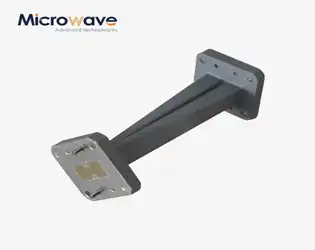
Double Ridge Twist Waveguide vs Standard Double Ridge Waveguide
March 25, 2026
When comparing Double Ridge Twist Waveguide to standard double ridge configurations, the twist design offers enhanced polarization control and improved signal routing capabilities in constrained spaces. The key difference lies in the twisted geometry that enables 90-degree polarization rotation while maintaining excellent transmission characteristics. Double Ridge Twist Waveguide excels in satellite communications and radar systems where space limitations and precise polarization management are critical requirements.