





BLOG

When designing Magic Hybrid Tee, how to optimize the structure to achieve better port isolation?
January 23, 2025
The optimization of Magic Hybrid Tee structures for enhanced port isolation represents a critical challenge in microwave engineering. This comprehensive analysis explores the advanced techniques and methodological approaches to achieve superior isolation performance in Magic Hybrid Tee designs, focusing on structural modifications, impedance matching, and innovative design considerations that significantly impact the device's overall efficiency and functionality in various microwave applications.
How is the cut - off frequency of a waveguide tube?
January 23, 2025
The cut-off frequency of a waveguide tube represents a fundamental concept in microwave engineering and electromagnetic wave propagation. This critical parameter determines the lowest frequency at which electromagnetic waves can propagate through a waveguide structure, making it essential for designing and implementing effective microwave communication systems. Understanding the cut-off frequency is crucial for engineers and technicians working with waveguide components, as it directly impacts signal transmission efficiency and system performance. The cut-off frequency of a Waveguide Tube is determined by its physical dimensions and the propagation mode of electromagnetic waves within the structure. For a rectangular waveguide, the cut-off frequency depends primarily on the width of the guide's cross-section, while for circular waveguides, it relates to the diameter. This relationship between physical dimensions and operational frequencies makes waveguides highly versatile components in microwave systems, allowing for precise control over signal propagation characteristics.
What is the difference in cost and durability between plastic flange covers and metal flange covers?
January 23, 2025
In the world of microwave and waveguide systems, protecting flange connections is crucial for maintaining system integrity and performance. The choice between plastic and metal flange covers represents a significant decision point for engineers and system designers, with each option offering distinct advantages in terms of cost and durability. Plastic Flange Caps have emerged as a popular alternative to traditional metal covers, particularly in laboratory and assembly environments where frequent access and reconfiguration are common requirements. This comprehensive analysis explores the key differences between these two types of protective solutions, helping professionals make informed decisions based on their specific applications and requirements.
What are the common structural forms of high-power waveguide isolators?
January 23, 2025
High-power waveguide isolators are critical components in modern microwave systems, serving as essential devices that allow electromagnetic waves to propagate in one direction while blocking reverse propagation. Understanding their structural forms is crucial for engineers and technical professionals working in satellite communications, defense systems, and aerospace applications. This comprehensive analysis explores the various structural configurations of high-power waveguide isolators, their characteristics, and their applications in advanced microwave systems.
January 23, 2025
In the ever-evolving landscape of microwave and millimeter-wave technology, the choice of signal transmission components plays a crucial role in system performance. Right Angle Waveguide to Microstrip Adapters have emerged as essential components in modern RF and microwave systems, offering distinct advantages over conventional adapter types. This comprehensive analysis explores the unique benefits these specialized adapters provide in signal transmission applications, particularly focusing on their superior performance characteristics and practical implementation advantages.
What is the basic working principle of a digitally controlled phase shifter?
January 22, 2025
A digitally controlled phase shifter is a sophisticated microwave component that enables precise control over the phase of RF signals through digital input commands. This advanced device operates by utilizing semiconductor switches or variable elements to modify the transmission path length or electrical properties of the circuit, thereby achieving controlled phase shifts in the RF signal. The fundamental principle involves creating discrete phase states that can be selected through digital control bits, allowing for accurate and repeatable phase adjustments in microwave systems. This technology is crucial in modern RF systems, particularly in beam steering applications, phased array antennas, and advanced communication systems.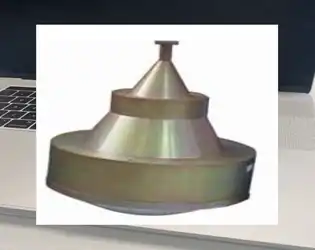
January 22, 2025
The point-focusing horn lens antenna represents a sophisticated advancement in electromagnetic wave transmission technology, combining the principles of horn antenna design with specialized lens configurations to achieve precise beam focusing and directional control. This innovative antenna system utilizes a carefully engineered combination of a conical or conical-corrugated horn coupled with a convex lens structure to create a focused beam that converges at a specific focal point. The design enables exceptional control over electromagnetic wave propagation, making it particularly valuable for applications requiring precise beam management and efficient power transmission.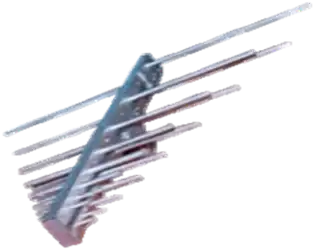
How does gain affect the radiation pattern of a log - periodic antenna?
January 22, 2025
The relationship between gain and radiation pattern in log periodic antennas (LPAs) represents a fundamental aspect of antenna design that significantly influences their performance and applications. The gain of a log periodic antenna directly affects its radiation pattern by shaping the directivity, beamwidth, and overall radiation characteristics. As the gain increases, the main beam becomes more focused and narrower, resulting in enhanced directional capabilities but potentially reduced coverage area. This intricate relationship is crucial for applications in satellite communications, defense systems, and aerospace technologies where precise control over radiation patterns is essential for optimal performance.